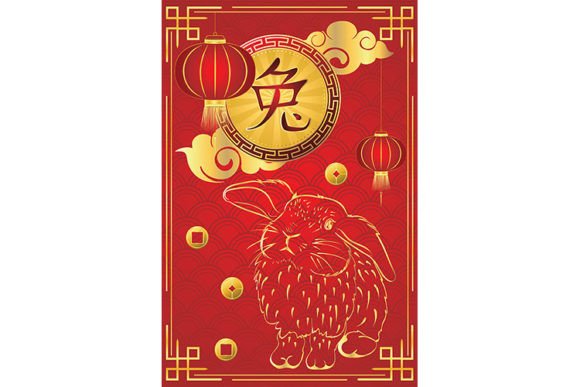
Chinese Symbol and Rabbit Card: A Strategic Tool for Meaningful Design and Communication
The Chinese Symbol and Rabbit Card is more than just a festive illustration or decorative element—it's a symbol-rich design that can be strategically leveraged to align with cultural values, business goals, and creative intent. As the Year of the Rabbit returns in the Chinese zodiac cycle every 12 years, this imagery carries deep significance rooted in tradition, prosperity, and harmony. When used thoughtfully, the Rabbit Card can enhance branding, marketing campaigns, educational materials, and even personal projects by tapping into these symbolic meanings.
Understanding the Cultural and Symbolic Power Behind the Rabbit
In Chinese culture, the rabbit represents peace, longevity, kindness, and good fortune. It’s one of the most beloved zodiac animals, often associated with elegance and grace. The Chinese Symbol and Rabbit Card, typically illustrated with a cartoon bunny, embodies these traits in a visually engaging format. This makes it an ideal asset for professionals and creatives aiming to connect with audiences on a meaningful level, especially during the Chinese New Year season or when promoting culturally resonant themes.
By incorporating the Rabbit Card into your work—be it greeting cards, social media content, website banners, or promotional materials—you’re not just adding a cute bunny to your visuals; you're embedding a layer of symbolism that can influence perception and foster emotional connections. For marketers, educators, and designers, understanding this nuance is key to crafting messages that resonate beyond aesthetics.
Why This Matters for Modern Professionals
- Brand Alignment: If your brand emphasizes community, family values, or wellness, the Rabbit can serve as a subtle but powerful visual cue.
- Cultural Sensitivity: Using authentic symbols like the Rabbit helps avoid misrepresentation and shows respect for traditions.
- Emotional Engagement: People are drawn to familiar and positive imagery, making the Rabbit Card an effective tool for storytelling and messaging.
Strategic Use Cases Across Industries
For entrepreneurs and small business owners, the Chinese Symbol and Rabbit Card can be a valuable addition to seasonal promotions or product packaging. Consider how a greeting card featuring a cartoon bunny might be used to introduce new products to markets in China or among diaspora communities. The visual appeal combined with the cultural symbolism can differentiate your offering from competitors who rely solely on generic holiday designs.
Marketers, too, can benefit from using the Rabbit Card in targeted campaigns. For instance, during the Lunar New Year, integrating this imagery into email headers or landing pages can signal inclusivity and awareness of global consumer habits. Educators may find it useful in teaching about the zodiac, while bloggers and publishers can use it to create themed content calendars aligned with cultural events.
Practical Examples of Application
- Product Launches: A tech startup launching a new app in early 2024 (the Year of the Rabbit) could feature the Rabbit Card on its promotional materials to emphasize innovation and gentle growth.
- Client Greetings: Freelancers or consultants working with international clients can send personalized greetings using the Rabbit Card to show appreciation and cultural insight.
- Event Branding: Incorporate the Rabbit into event invitations or logos for conferences focused on sustainability, education, or family-oriented topics.
- Corporate Social Responsibility Campaigns: Align with themes of community support and environmental care using the Rabbit as a mascot.
Planning Thoughtfully: How to Integrate the Rabbit Card Effectively
Before using the Chinese Symbol and Rabbit Card, consider your audience and context. Ask yourself:
- Does the imagery align with my brand’s identity?
- Am I leveraging the symbolism intentionally or just for decoration?
- Is there a clear connection between the message I want to convey and the values represented by the Rabbit?
If the answer to any of these questions is unclear, pause and rethink your approach. Randomly inserting the Rabbit into unrelated content can dilute your message and risk being seen as inauthentic.
To plan effectively, start by defining the purpose behind using the Rabbit Card. Whether it’s to build goodwill, launch a campaign, or celebrate a milestone, ensure the design serves a strategic role rather than being a passive background element. The two high-resolution JPG images and editable EPS vector files included in the zip package allow for versatile integration across print and digital platforms without compromising quality.
Tips for Creative Integration
- Use the cartoon bunny as a mascot in presentations or internal communications to represent agility and creativity.
- Embed the Rabbit into infographics or reports where themes of balance, growth, or renewal are relevant.
- Customize the EPS file with company colors or logos to maintain brand consistency while respecting cultural relevance.
- Consider the timing—deploy the Rabbit Card early in the lunar year to maximize its impact in seasonal planning.
Positioning Your Message with Intention
Design decisions should always be intentional. The Chinese Symbol and Rabbit Card is no exception. Positioning this symbol correctly requires an understanding of both its literal and metaphorical meaning. In business, the Rabbit is often linked to careful decision-making and patience—traits that can be subtly reinforced through thoughtful use of the imagery.
When positioning your message, think about what the Rabbit symbolizes in your industry. For example:
- Freelancers might use it to represent flexibility and adaptability.
- Teachers could highlight the Rabbit’s nurturing qualities in student engagement strategies.
- Environmental advocates might focus on the Rabbit’s association with nature and harmony.
These associations can help guide your creative choices and ensure your message remains coherent and impactful.
How to Approach the Design Process
Start by identifying where the Rabbit Card fits best within your existing visual language. Then ask:
- Will this image reinforce our core message?
- Can we modify the design to better suit our needs while retaining authenticity?
- Are we using the right tone and context to match the symbolism?
With the provided vector files, you have the freedom to scale, recolor, or adjust the design to fit your specific requirements. This adaptability is essential for maintaining professional standards across different formats and channels.
Potential Risks and Common Pitfalls
While the Chinese Symbol and Rabbit Card can be a powerful tool, misuse can lead to unintended consequences. One common mistake is deploying the imagery without understanding its cultural context. This can alienate audiences or diminish the perceived value of your brand.
Another risk is overuse. Like any design element, the Rabbit Card should complement—not overshadow—your message. Repeated use in irrelevant contexts can reduce its effectiveness and come off as insincere or opportunistic.
Additionally, if you rely on the Rabbit imagery without considering long-term brand strategy, it may become disconnected from your overall identity. Always evaluate whether the design supports your broader communication goals and values.
What to Avoid
- Using the Rabbit Card in a way that contradicts your brand’s voice or mission.
- Ignoring regional variations in how the Rabbit is perceived (e.g., differences in symbolism across East Asian cultures).
- Deploying the design without proper attribution or sensitivity to cultural heritage.
Long-Term Value and Decision-Making Guidance
From a long-term perspective, the Chinese Symbol and Rabbit Card can be part of a recurring design theme, especially for businesses targeting multicultural or global markets. By building a library of such assets, you can streamline your seasonal planning and maintain a consistent presence throughout the calendar year.
For creators and publishers, the Rabbit offers a unique opportunity to blend cultural elements with modern design trends. The combination of traditional symbolism with a playful cartoon bunny can attract attention and evoke warmth, making it a strong candidate for editorial illustrations, book covers, or podcast art.
When deciding to use the Rabbit Card, always ask:
- How does this contribute to our customer experience?
- Does it align with our brand personality and values?
- Can we repurpose this design across multiple touchpoints?
Building a Sustainable Strategy
Integrate the Rabbit Card into your content calendar at least six months before the relevant season. This gives time to test the imagery, gather feedback, and make necessary adjustments. Also, consider creating a series of related assets that evolve around the same theme to build continuity and familiarity with your audience.
Remember that while the Rabbit is associated with certain virtues, it doesn’t mean the imagery should only appear in positive contexts. Use it to frame challenges as opportunities—highlighting resilience and care in times of change.
Maximizing Outcomes Through Purposeful Design
Ultimately, the Chinese Symbol and Rabbit Card is a resource that, when used with intention, can enhance outcomes in various areas of professional life. From improving brand recall to supporting operational efficiency through cohesive visual identity, the potential is vast.
Here’s how you can align the Rabbit Card with your objectives:
- Enhance branding by using it in logo mockups or promotional collaterals.
- Support operations by including it in internal team-building materials or training guides.
- Strengthen customer experience by using it in loyalty programs or client thank-you notes.
- Boost productivity by creating motivational posters or vision boards that incorporate the Rabbit’s symbolism.
Whether you’re an educator preparing a lesson on the zodiac or a marketer designing a cross-cultural campaign, the Rabbit Card provides a foundation for connecting with audiences in a way that feels both professional and personable.
Final Planning Checklist
- Define your goal for using the Rabbit Card.
- Align the design with your brand’s visual identity.
- Test the imagery in real-world applications before full deployment.
- Plan for reuse across multiple platforms and campaigns.
- Evaluate cultural appropriateness and audience receptiveness.
By approaching the Chinese Symbol and Rabbit Card with clarity and purpose, you can turn a simple illustration into a strategic asset that supports your long-term vision and enhances your communication efforts.