Floral Line Art Flower SVG Elements 47: A Must-Have for Creative Projects
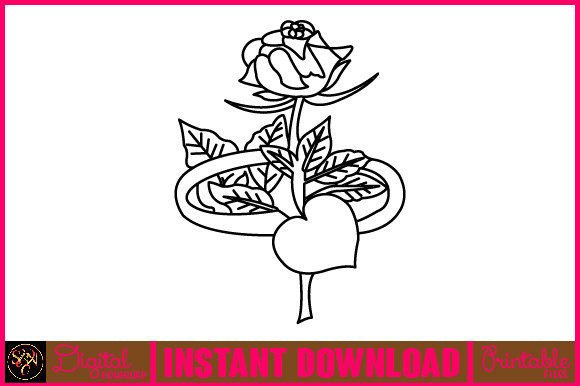
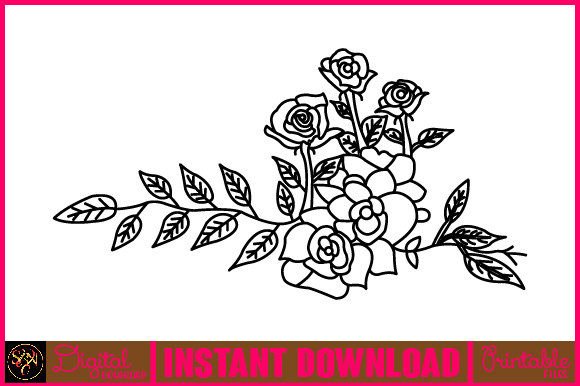
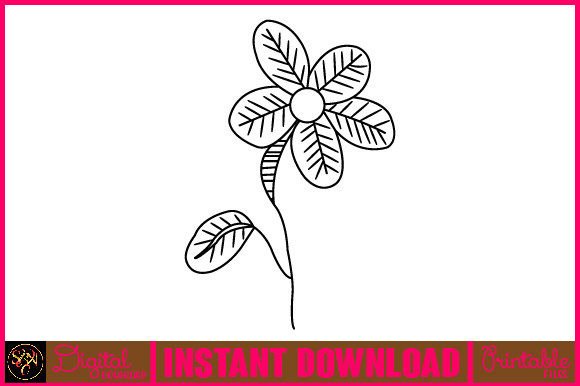
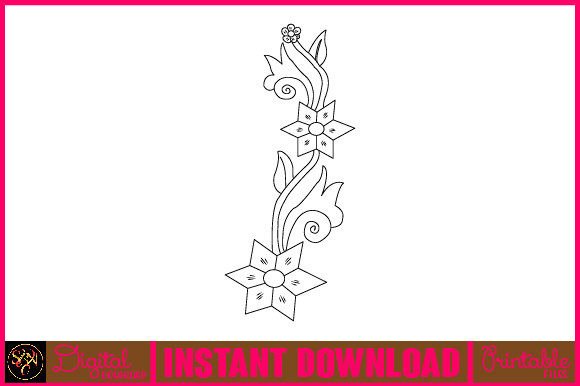
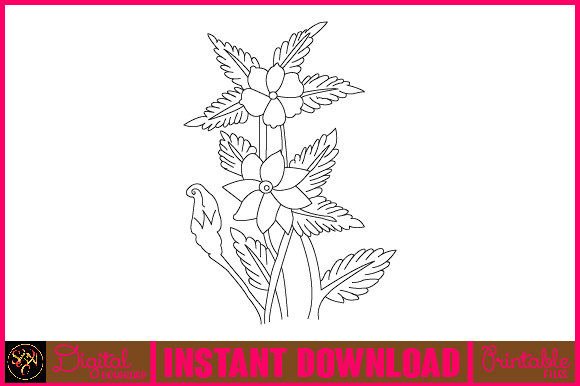
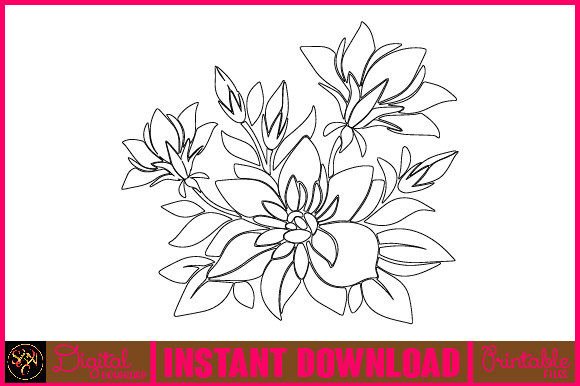
If you're looking to add a touch of elegance and natural beauty to your design projects, Floral Line Art Flower SVG Elements 47 is an excellent choice. This collection includes hand-drawn floral wreaths, botanical leaves, plants, flowers, and decorative frames in multiple file formats such as AI, PNG, EPS, SVG, PDF, and JPEG. These elements are ideal for anyone working on wedding invitations, vintage summer designs, or any creative endeavor that calls for intricate botanical illustrations.
What Makes Floral Line Art Flower SVG Elements 47 Special?
The appeal of this set lies in its attention to detail and versatility. The line art style gives the illustrations a classic, minimalist look that blends well with both modern and traditional aesthetics. Each element has been carefully crafted to mimic the organic flow of real flora, making them suitable for use in branding, packaging, stationery, and even educational materials. The inclusion of curly grass, calligraphic-style flowers, and delicate branches allows for a wide range of applications, from simple accents to complex compositions.
Understanding File Formats and Compatibility
One common mistake users make when downloading digital assets like these is not checking which file formats they actually need. For instance, if you're designing in Adobe Illustrator, the AI file will be most useful. However, if you're preparing content for the web or print, SVG, PNG, or PDF might be more appropriate. Always consider the software you're using and where the final product will be displayed before choosing which files to extract from the ZIP archive.
Common Missteps When Using Botanical Line Art
Designers often overlook the importance of matching the scale and style of the floral elements to their project's overall theme. A large, ornate wreath may overwhelm a simple layout, while a minimalistic leaf could get lost in a busy background. To avoid this, start by previewing the elements in their original context and adjusting their size and placement accordingly.
Another frequent error is assuming all SVG files behave the same across different platforms. While SVG is a vector format, some programs handle it differently than native vector files like AI or EPS. If you're experiencing issues with an SVG file not scaling properly or losing quality, try opening it in Adobe Illustrator first or converting it to another format like PDF for better compatibility.
Proper Extraction and Organization of Files
Many beginners forget to extract the ZIP file correctly, leading to confusion or unusable assets. Make sure to use reliable extraction tools like WinZIP or WinRAR. Alternatively, simply double-click the ZIP file and follow the prompts to extract the contents into a clearly labeled folder. Keeping your files organized helps streamline your workflow and prevents mix-ups between similar-looking elements.
Choosing the Right Elements for Your Project
Not all floral line art is created equal, and selecting the wrong type can impact your project’s visual harmony. For example, if you're creating a vintage summer plant themed invitation, you'll want to choose elements that reflect that aesthetic—perhaps something with soft curves and muted outlines. On the other hand, a bold, modern logo might benefit from sharper, geometric-inspired botanical shapes.
- Mistake: Using too many contrasting elements in one design.
- Better Approach: Select a cohesive subset of elements from the collection to maintain visual balance.
- Example: Pair a hand-drawn flower illustration with complementary leaf designs and a subtle branch outline to create a unified look.
Matching Design Intent with Style
Hand-drawn sketches offer a unique charm, but they may not suit every design purpose. Some creators mistakenly apply sketchy elements to formal presentations or corporate materials without considering how the style aligns with the message. Instead, think about whether the design should feel personal, artistic, or professional. In cases where a polished appearance is necessary, opt for cleaner lines or convert the sketch to a more refined version using vector editing tools.
Efficiency Tips for Incorporating Floral Elements
Time management is crucial when integrating line art into larger projects. One overlooked detail is the layer structure within AI or EPS files. Beginners might not realize they can edit individual components (like petals or stems) separately, which saves time compared to redrawing from scratch. Take a few moments to explore the layers in your chosen file format—it can significantly boost productivity and customization options.
Additionally, don't neglect the value of transparency and resolution when exporting or using PNG or JPEG files. Ensure that you're using the highest quality settings available and that backgrounds are transparent where needed. This small step can prevent unnecessary rework and enhance the professionalism of your output.
Optimizing for Web and Print Use
When preparing floral line art for online use, especially for social media graphics or blogs, optimize the file size without sacrificing clarity. SVG files are generally lightweight and scalable, making them perfect for digital applications. For print, always confirm that the resolution meets standard requirements (typically 300 DPI). If using rasterized images like PNG or JPEG, upscale them carefully to avoid pixelation.
Evaluating Quality Before Finalizing a Purchase
Before committing to any digital asset, take the time to review sample previews or download low-resolution versions if possible. Pay attention to details like line thickness consistency, stroke smoothness, and whether the elements appear clean when scaled up. Poorly rendered line art can lead to unprofessional results, especially in high-visibility contexts like marketing materials or event invites.
Also, ensure that the collection includes what you truly need. Many designers buy bundles only to find they don’t use half the assets. Review the contents of Floral Line Art Flower SVG Elements 47 thoroughly to match your current and future project needs. This avoids wasted resources and ensures you’re investing in tools that will provide lasting value.
Checking Licensing and Usage Rights
A frequently overlooked aspect is the licensing agreement. Not all SVG collections are free for commercial use. Before applying botanical leaf or floral elements to client work or products for sale, verify the terms of use provided by the seller. Some may require attribution or restrict usage to non-commercial purposes only. Understanding these limitations upfront prevents legal complications later.
Realistic Examples of Application
Let’s say you're designing a wedding invitation. You might start by selecting a wreath from the collection and placing it at the top of the card. Then, use smaller floral elements around the text to guide the eye and add visual interest. The key is to keep the layout balanced and readable. Too many elements can distract from the main message, so use them thoughtfully.
For a blogger creating seasonal content, the Floral Line Art Flower SVG Elements 47 can serve as decorative borders or dividers. The vintage summer plants and curly grass elements add a fresh, garden-like feel that resonates with readers during warmer months. Just remember to adjust the colors or contrast slightly to ensure visibility against your site’s background.
Customization for Brand Identity
Entrepreneurs and small business owners often underestimate the power of customizing line art to fit their brand identity. While the default color palette of these SVG elements may be black or white, they can easily be recolored in most design software. Consider using your brand’s signature hues to maintain consistency across your visuals. This approach not only enhances recognition but also adds a personal touch to your designs.
Best Practices for Learning and Mastering Line Art Integration
If you're new to using SVGs or botanical illustrations, invest time in learning basic vector editing techniques. Platforms like Adobe Illustrator or free tools like Inkscape offer tutorials that help you manipulate line art efficiently. Knowing how to adjust stroke widths, colors, and layer structures can transform a flat graphic into a dynamic part of your design.
Freelancers and educators can benefit from practicing with simpler elements first. Start by incorporating a single leaf or flower into a mock-up before moving on to full compositions. This gradual approach builds confidence and ensures you understand how each component interacts with others in your design space.
Learning Through Mistakes
Even experienced designers occasionally misjudge the spacing or hierarchy of floral elements. A practical tip is to use grid systems or guides when arranging components. This helps maintain alignment and proportion, preventing cluttered or uneven layouts. Another common issue is poor contrast; if your floral elements aren’t standing out, consider adding a subtle shadow or changing the background tone.
Conclusion
Floral Line Art Flower SVG Elements 47 offers a rich array of botanical illustrations perfect for both seasoned professionals and newcomers to design. By avoiding common pitfalls—like ignoring file compatibility, overloading a design with too many elements, or skipping licensing checks—you can ensure your creations are visually appealing, technically sound, and legally compliant. Whether you're crafting a hand drawn floral wreath for a special event or building a botanical-themed logo, this collection provides the flexibility and beauty needed to bring your ideas to life. Extract your files carefully, organize them logically, and let your creativity flourish with the right tools at your disposal.