Floral Vintage Background: Timeless Elegance in Design
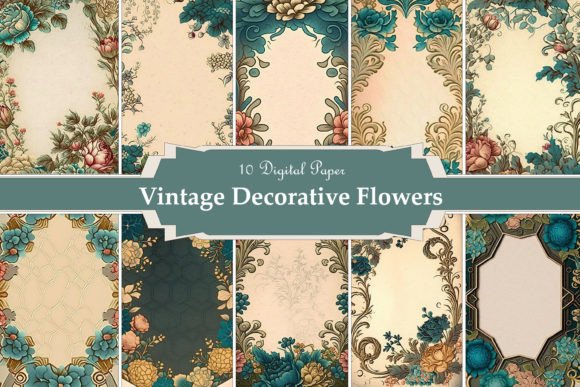
A Floral Vintage Background is a design element that combines the organic beauty of flowers with the nostalgic charm of vintage aesthetics. It often features intricate botanical illustrations, soft pastel colors, and delicate textures reminiscent of old-world artistry. These backgrounds are widely used in various creative fields such as graphic design, wedding invitations, fashion illustrations, and even digital wallpapers. Their unique blend of romance, elegance, and natural motifs makes them a popular choice for those seeking to add a touch of sophistication and warmth to their projects.
What Makes a Floral Vintage Background Unique?
Unlike modern minimalist or abstract floral designs, a Floral Vintage Background draws inspiration from historical styles—particularly those from the 19th and early 20th centuries. Key characteristics include:
- Botanical Detailing: Accurate depictions of plants, leaves, and blossoms, often resembling scientific drawings or antique botanical prints.
- Pastel Color Palettes: Soft hues like blush pink, lavender, mint green, and cream dominate these designs, creating a gentle and romantic atmosphere.
- Retro Texture and Style: Many incorporate watercolor washes, hand-drawn outlines, or faded effects to mimic aged paper and ink.
- Repetition and Pattern: These elements are arranged in symmetrical or flowing patterns, making them ideal for borders, frames, or full-page backgrounds.
This style is especially effective when aiming to evoke a sense of nostalgia, celebration, or timeless beauty. The use of floral vintage background can transform a simple layout into something evocative and visually rich, without overwhelming the viewer with boldness or complexity.
When to Use a Floral Vintage Background
Floral vintage backgrounds are versatile but work best in specific contexts where their aesthetic aligns with the intended message or mood. Some of the most common and impactful applications include:
Wedding Invitations and Decorations
Incorporating a floral vintage background into wedding materials adds an air of sophistication and romance. Whether printed on cardstock or used as a digital template, this style complements traditional ceremonies and rustic barn weddings alike. For example, a watercolor rose illustration over a cream-toned pattern can serve as a stunning backdrop for handwritten vows or seating charts.
Fashion and Editorial Illustrations
Vintage floral designs are frequently used in fashion illustrations and editorial layouts. They offer a decorative yet elegant frame for models, garments, or product shots. A retro-style floral border around a model wearing a vintage dress enhances the visual harmony and authenticity of the piece.
Summer and Spring-Themed Projects
The blooming nature of floral vintage backgrounds naturally suits seasonal themes. In spring greeting cards or summer party templates, they convey freshness and vitality. Their soft tones also pair well with bright accents, allowing designers to create vibrant yet balanced visuals.
Graphic Design and Digital Art
These backgrounds are popular in digital art and web design for branding, social media posts, and website headers. Their ornate details make them suitable for luxury brands or boutique businesses looking to establish a classic, artistic identity. When using a floral vintage background, it’s important to ensure that the foreground content remains legible and doesn’t get lost in the intricate patterns.
Strengths of Using a Floral Vintage Background
There are several advantages to incorporating a Floral Vintage Background into your design projects:
- Timeless Appeal: The vintage aesthetic is enduring and has a broad audience appeal, especially among those who appreciate history and craftsmanship.
- Visual Depth: The layered textures and detailed illustrations provide a sense of depth and richness that flat or solid-colored backgrounds lack.
- Emotional Resonance: These designs often evoke feelings of nostalgia, love, and celebration, which can be powerful in marketing or personal projects like birthday cards or anniversary announcements.
- Flexibility in Application: From print to digital formats, floral vintage backgrounds can be adapted for different purposes, including posters, greeting cards, and even app interfaces.
Tradeoffs and Limitations
While Floral Vintage Backgrounds have many strengths, they are not always the best fit. Consider the following limitations before choosing this style:
- Overwhelms Simpler Content: Due to their intricate nature, they may distract from minimalistic or modern designs. If the main message needs to stand out clearly, a simpler background might be more appropriate.
- Printing Challenges: High detail and subtle color gradients can be problematic if printed on low-quality materials or at small sizes. Always test how the background looks in its final format.
- May Not Suit All Audiences: Younger demographics or those favoring contemporary trends might find the vintage style less appealing unless it's part of a broader thematic approach.
Comparisons with Other Background Styles
Understanding how a Floral Vintage Background stacks up against other design options helps determine when it’s the right choice. Here are some realistic comparisons:
Floral vs. Abstract Backgrounds
Abstract backgrounds often focus on shapes, colors, and forms rather than literal representations. While both can be artistic, floral vintage backgrounds tend to be more recognizable and grounded in nature. An abstract background might suit a tech startup or avant-garde brand better, while a floral vintage one would enhance a lifestyle blog or boutique website.
Vintage vs. Modern Minimalist Backgrounds
Modern minimalist backgrounds emphasize simplicity and clean lines. In contrast, a Floral Vintage Background embraces complexity and ornamentation. Choosing between the two depends on the project’s tone and purpose. For instance, a luxury fashion brand might prefer the vintage style to reflect heritage, whereas a fitness app might lean toward minimalism to promote clarity and focus.
Watercolor vs. Vector Floral Backgrounds
Watercolor floral backgrounds offer a soft, painterly look that feels handcrafted. Vector versions, on the other hand, allow for scalability without losing quality and often feature more geometric precision. Both can be vintage-inspired, but vector Floral Vintage Backgrounds are better suited for digital use and large-format printing, while watercolor versions bring a more artistic and intimate feel to smaller items like greeting cards or stationery.
Best-Fit Situations for a Floral Vintage Background
Here are scenarios where a Floral Vintage Background truly shines:
- Event Design: Weddings, garden parties, and anniversary celebrations benefit from the romantic and celebratory vibe of these designs.
- Brand Identity: Businesses in the floral, botanical, or artisanal industries can use them to reinforce their image and values.
- Illustration and Artwork: Artists often use these backgrounds to complement hand-drawn characters or to create cohesive, themed artwork.
- Digital Marketing: Social media banners, email newsletters, or promotional posters can gain visual interest with a well-placed vintage floral background.
For example, a boutique flower shop might choose a floral vintage background for its online catalog to create a warm, inviting look that reflects its product line. Similarly, a vintage-themed café could use these designs in signage and packaging to maintain a consistent, nostalgic brand experience.
Alternatives to Consider
If a Floral Vintage Background isn't the best match for your project, consider these alternatives:
- Geometric Patterns: Offer structure and modernity, perfect for tech or corporate branding.
- Monochrome Backgrounds: Provide a sleek, professional look while still allowing for vintage-style typography or logos.
- Botanical Line Art: Similar in theme but more subdued, these are great for educational materials or botanical guides.
- Hand-Drawn Sketches: Add a personal, artisanal touch without the need for full-color or patterned backgrounds.
Each of these alternatives has its own strengths and can be evaluated based on the desired outcome. For instance, a business targeting a younger audience might opt for trendy geometric designs instead of a Floral Vintage Background, depending on the overall brand message.
How to Choose the Right Floral Vintage Background
Selecting the right Floral Vintage Background involves considering a few key factors:
- Color Harmony: Ensure the background complements the primary text or images. Pastels work well with bold fonts, while darker floral variants may require lighter foreground elements.
- Pattern Density: Dense patterns can overwhelm, so balance is key. Look for variations with lighter coverage or spaced-out motifs for readability.
- Resolution and Format: For digital use, high-resolution PNGs or scalable vector graphics (SVGs) are recommended. Print projects should use CMYK-compatible JPEGs or PDFs.
- Thematic Relevance: Align the background with the project’s overall theme. A garden wedding invitation will resonate differently than a luxury fashion brochure using the same design.
Testing the background in context is essential. Try overlaying text or images to see how legible everything remains. Adjusting opacity or adding white space can help preserve functionality while keeping the aesthetic intact.
Design Tips for Effective Use
To make the most of a Floral Vintage Background, follow these practical guidelines:
- Use Subtle Gradients: Enhance the vintage feel by incorporating soft shading or faded edges.
- Pair with Complementary Fonts: Script or serif fonts typically work well with floral vintage styles, maintaining the cohesive look.
- Add Layered Elements: Combine with other vintage components like lace borders, gold foil accents, or old-fashioned calligraphy to amplify the effect.
- Balance with Negative Space: Don’t let the background overpower the design. Leave areas free to guide the eye and maintain clarity.
For instance, a greeting card designer might layer a floral vintage background with a hand-drawn illustration of a bouquet and a handwritten message. This combination creates a harmonious and emotionally engaging result.
Conclusion
A Floral Vintage Background offers a unique blend of elegance, nature, and nostalgia that can elevate a wide range of design projects. Its intricate details and soft palettes make it ideal for romantic events, luxury branding, and artistic illustrations. However, its suitability depends on the project’s goals, audience, and format. By understanding its strengths and limitations, you can decide whether it’s the right choice—or whether another design style might better serve your needs.