Golden Lotus Flower with Line Texture. D: Strategic Use in Design and Branding
Understanding the Golden Lotus Flower with Line Texture. D
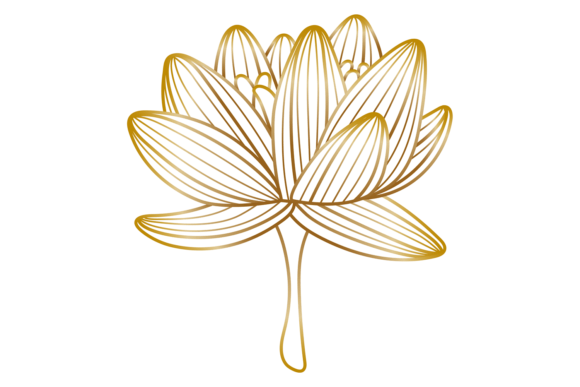
The Golden Lotus Flower with Line Texture. D is a stylized graphic representation of the golden lotus, characterized by its intricate line work that mimics natural textures. This design element often appears as an isolated, decorative floral motif on a white background or transparent PNG format, making it highly versatile for integration into various visual projects. Commonly available in vector formats such as EPS and SVG, it offers scalability without loss of quality—ideal for digital and print applications alike.
While the golden lotus itself symbolizes purity, enlightenment, and spiritual growth in many cultures, the line texture version transforms this meaning into a more abstract and artistic interpretation. The emphasis on clean lines and structural form makes it particularly suitable for modern branding, editorial layouts, and minimalist aesthetics. It’s not just about beauty; it's about intentionality in design choices.
Aesthetic Versatility
This design element can be manipulated to suit different tones—from bold and dramatic to subtle and refined. Its line-based structure allows for easy color customization, enabling designers to align it with brand palettes or seasonal themes. Whether you're crafting a logo, designing packaging, or enhancing website visuals, the Golden Lotus Flower with Line Texture. D provides a foundation that supports both creativity and clarity.
Branding and Identity Development
Incorporating the Golden Lotus Flower with Line Texture. D into your brand identity can help convey values like elegance, innovation, and mindfulness. For example, wellness brands may use it to evoke a sense of calm and natural harmony. Similarly, educational institutions might leverage its symbolic richness to represent growth and enlightenment.
- Logo Design: Use the flower as a central icon to communicate authenticity and purpose.
- Stationery and Packaging: Apply it subtly on business cards, brochures, or product boxes to reinforce brand recognition.
- Digital Assets: Feature it in social media templates, email headers, or landing pages to maintain a cohesive visual language.
Content Creation and Editorial Design
As a decorative floral element, the Golden Lotus Flower with Line Texture. D can enhance content visually without overwhelming the message. In magazines, blogs, or newsletters, it serves as a compelling divider or header graphic. When used thoughtfully, it adds sophistication while guiding the reader’s eye through the page.
- Use it as a section separator in long-form articles to improve readability.
- Integrate it into infographics or presentations to highlight key points.
- Employ it in promotional materials like flyers or posters to create visual interest.
Align with Brand Messaging
Before using the Golden Lotus Flower with Line Texture. D, consider whether its symbolism resonates with your brand’s mission. If your company focuses on sustainability, personal development, or holistic approaches, this motif could serve as a powerful visual metaphor. However, if your brand leans heavily into technology or industrial themes, the flower may feel incongruous unless carefully contextualized.
For instance, a yoga studio named “Lotus Mind” could integrate the flower across all touchpoints—website, apparel, and signage—to build a consistent narrative. A tech startup aiming to promote innovative thinking might pair it with geometric elements to bridge tradition and modernity.
Consider Cultural Context
Cultural sensitivity is essential when deploying any symbolic imagery. The golden lotus holds deep significance in Eastern traditions, particularly in Buddhism and Hinduism. While its aesthetic appeal is universal, understanding its roots helps avoid misinterpretation and strengthens the emotional connection with diverse audiences.
If your audience includes international clients or partners, ensure the use of the motif respects cultural nuances. You might want to pair it with local symbols or adjust its prominence depending on the region.
Optimize for Multiple Platforms
Because this design is available in high-quality vector formats (EPS, SVG), it can be adapted for responsive web design, mobile interfaces, and print media. Always test how it looks at different sizes and resolutions. A detailed line drawing might lose impact when scaled down, so simplify or adjust accordingly.
For entrepreneurs launching an e-commerce site, placing the Golden Lotus Flower with Line Texture. D on category banners or checkout buttons can add a layer of visual cohesion and professionalism. Marketers should also evaluate how it performs across platforms—whether on Instagram stories, LinkedIn posts, or PDF reports.
Overuse and Dilution
One common pitfall is using the Golden Lotus Flower with Line Texture. D too frequently without a clear rationale. Like any design element, repetition can lead to dilution of its impact. Instead, treat it as a signature asset—used sparingly but effectively to anchor key messages.
Imagine a luxury spa incorporating the flower on every brochure, advertisement, and website banner. Over time, customers may associate it with clutter rather than elegance. Strategic placement, such as on a hero image or a branded watermark, maintains its value.
Lack of Purpose-Driven Application
Using the Golden Lotus Flower with Line Texture. D without a defined goal can result in generic visuals that fail to connect with your audience. Always ask: What does this element communicate? How does it support the user experience?
Freelancers who add the flower randomly to client portfolios risk appearing unprofessional. But those who embed it intentionally—as part of a curated theme or storytelling framework—can elevate their work and demonstrate strategic thinking.
Compatibility with Color Schemes
Though line art is adaptable, the colors you choose when applying the Golden Lotus Flower with Line Texture. D must align with your overall design strategy. Test variations in grayscale, monochrome, or muted tones to see how it behaves under different lighting and viewing conditions.
Small business owners designing their storefronts should consider how the flower interacts with other graphics and text. A poorly chosen color contrast can reduce legibility and confuse messaging.
Educational Content
Online learning platforms can use the Golden Lotus Flower with Line Texture. D as a recurring motif in course thumbnails or certification badges. This reinforces a theme of knowledge acquisition and personal transformation.
Event Promotion
When promoting wellness retreats or meditation workshops, this design can be featured in event invitations, speaker cards, or venue décor. Its presence subtly communicates the event’s focus on inner peace and growth.
Product Packaging
Natural skincare brands benefit from using the Golden Lotus Flower with Line Texture. D on labels or carton designs. The motif suggests purity and organic origin, which are key selling points in eco-conscious markets.
Building a Visual Language
Designers who consistently apply the Golden Lotus Flower with Line Texture. D across their portfolio can develop a recognizable style. This helps establish authority and trust in niche markets like botanical illustration, spiritual branding, or mindful lifestyle products.
Consider creating a library of variations—different angles, levels of detail, or compositional arrangements. These assets can be reused across campaigns, saving time while maintaining a professional look.
Encouraging User Engagement
Thoughtful placement of the Golden Lotus Flower with Line Texture. D can increase engagement by making content more inviting. Bloggers might use it to break up large blocks of text, while app developers can feature it as a loading screen or navigation icon.
Always evaluate its performance through user feedback and analytics. If a design element isn’t driving interaction or improving perception, reassess its role in the project.
Supporting Content Strategy
Graphic elements like the Golden Lotus Flower with Line Texture. D can guide content strategy by helping categorize information visually. Educators might use it in slide decks to indicate reflective or philosophical sections. Publishers could feature it in book covers or chapter headings to signal thematic shifts.
By aligning visuals with content goals, you create a more immersive and intuitive experience for your audience. This approach supports deeper engagement and better retention of key ideas.
Assess Your Audience’s Preferences
Before selecting the Golden Lotus Flower with Line Texture. D, conduct a quick audit of your audience’s aesthetic preferences. Do they gravitate toward minimalist styles, nature-inspired motifs, or something else entirely? Tailoring your choice to their tastes increases relevance and resonance.
Evaluate the Competition
Review how competitors are using similar design elements. If most rely on bold, colorful flowers, a line-art version might offer a refreshing alternative. Conversely, if the market lacks floral imagery, it could provide a unique opportunity to stand out.
Test Before Committing
Try the Golden Lotus Flower with Line Texture. D in different contexts before finalizing its use. A/B testing on marketing materials or website mockups can reveal how well it functions within your existing design ecosystem.
For instance, a boutique hotel might test the flower in two versions: one with a soft gold overlay and another in black-and-white. Customer surveys can then inform which option enhances the brand’s perceived value more effectively.
Final Thoughts on Purposeful Design
The Golden Lotus Flower with Line Texture. D is more than just an attractive graphic—it’s a tool that, when used with intent, can amplify your message and strengthen your brand. Its adaptability across formats and its rich symbolism make it a valuable addition to any designer’s toolkit.
However, success depends on thoughtful planning. Align it with your brand’s core values, understand its cultural implications, and use it to support—not distract from—your primary communication goals. By doing so, you turn a simple visual into a meaningful component of your larger strategy.