Red Tulip Icon: Textured Flower Decorative Element for Design Projects
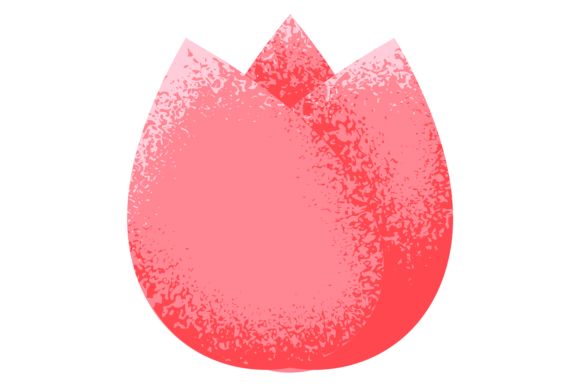
The Red Tulip Icon. Textured Flower Decorati is a versatile and visually appealing design asset that showcases a stylized red tulip with added texture. Available in multiple file formats such as EPS, JPG, SVG, and transparent PNG, this icon is ideal for both digital and print applications. It is typically used as an isolated decorative element on a white background, making it easy to integrate into various visual projects while maintaining a clean and professional look.
Understanding the Red Tulip Icon. Textured Flower Decorati
This design features a red tulip, a symbol often associated with love, passion, and elegance. The addition of texture gives the icon a more tactile and artistic appearance compared to flat or vector-only versions. Whether you're looking to add subtle detail to a website layout, enhance branding materials, or create eye-catching graphics for print, this icon offers a unique blend of simplicity and sophistication.
Textured elements in design help break up monotony and add depth, making visuals more engaging without overwhelming the viewer. In the case of the Red Tulip Icon, the texture enhances the flower's realism and character, allowing it to stand out in compositions where minimalism meets artistry.
Why People Choose This Icon
- Brand Aesthetics: Businesses and designers often seek icons that align with their brand identity. The red tulip can represent luxury, romance, or a connection to nature, depending on context.
- Graphic Design Projects: From invitations to social media banners, this icon serves as a decorative accent that elevates the overall design quality.
- Web Development: As a transparent PNG or SVG, the Red Tulip Icon can be layered over different backgrounds or animated for interactive web elements.
- Print Media: Its high-resolution JPG and EPS formats are suitable for posters, brochures, and other printed collateral requiring crisp imagery.
Advantages
- High Quality Formats: With support for EPS, JPG, SVG, and transparent PNG, users have flexibility in scaling and editing the icon to fit their specific needs.
- Isolated on White Background: Makes it simple to place the icon in any composition without worrying about unwanted elements or colors.
- Symbolic Meaning: The red tulip is widely recognized for its romantic and passionate connotations, making it a meaningful choice for certain themes or campaigns.
- Time-Saving: Using pre-made textured icons like this one allows designers to focus on other aspects of their work rather than creating assets from scratch.
Potential Limitations
- Design Context: While elegant, the red tulip may not be appropriate for all design styles—especially those leaning toward modern minimalism or abstract aesthetics.
- Customization Needs: If a project requires a completely unique or custom floral design, this pre-made icon may not offer enough variation or control.
- Color Matching: The red hue of the tulip may need to be adjusted to match the color scheme of a particular design, especially if the client has specific branding guidelines.
When to Use the Red Tulip Icon. Textured Flower Decorati
This icon is particularly well-suited for the following scenarios:
- Wedding Invitations and Stationery: The romantic symbolism of a red tulip makes it a great fit for wedding-related designs. Its textured appearance adds a touch of refinement.
- Floral-Themed Branding: Companies in the beauty, fashion, or lifestyle industries might use the Red Tulip Icon to reinforce a natural or elegant brand image.
- Seasonal Marketing Materials: During springtime campaigns or events centered around renewal and growth, this icon can serve as a symbolic and attractive visual component.
- UI/UX Design Elements: The SVG format allows for seamless integration into user interfaces, especially when paired with interactive features or hover effects.
Alternatives to Consider
While the Red Tulip Icon is a strong option in many cases, there are situations where alternatives could be more appropriate:
- Flat-Style Icons: For minimalist or tech-oriented designs, a flat red tulip might be preferable to maintain a cohesive style.
- Vector Illustrations with Custom Textures: If a designer wants more control over the texture or style, creating a custom illustration might be a better route.
- Other Flower Symbols: Depending on the message, flowers like roses, peonies, or lilies might convey different meanings and could be more suitable.
- Abstract or Geometric Designs: In some creative contexts, especially digital platforms, abstract representations may resonate better with the target audience.
Key Considerations for Selection
Before incorporating the Red Tulip Icon into your project, consider the following factors:
- Target Audience: Does the red tulip’s symbolism align with what your audience expects or perceives? For example, younger audiences may prefer bolder or more modern designs.
- Design Style: Will the textured aspect complement your existing design language? Ensure consistency across all visual elements.
- Usage Frequency: If the icon will be used repeatedly, check whether it maintains clarity and impact at different sizes and placements.
- Technical Requirements: Confirm that the file format you choose (e.g., SVG for scalability, PNG for transparency) supports your intended application.
Practical Tips for Effective Use
To make the most of the Red Tulip Icon. Textured Flower Decorati, follow these practical suggestions:
- Layer Thoughtfully: Because it is transparent or isolated, the icon can be layered over patterns, gradients, or images to create a more dynamic visual.
- Scale Appropriately: Use the EPS or SVG versions when resizing is necessary to avoid pixelation or loss of quality.
- Balance with Other Elements: Avoid overcrowding the design by using the icon as an accent rather than a focal point unless intentional.
- Test in Different Contexts: Before finalizing its use, test the icon in various layouts and backgrounds to ensure it performs well across all platforms.
Expectations and Realistic Outcomes
Using the Red Tulip Icon. Textured Flower Decorati should not be expected to solve all design challenges, but it can significantly enhance the aesthetic appeal of your work. It works best when selected as part of a broader strategy that includes typography, color theory, and layout principles. Additionally, while it offers a premium feel due to its texture, it may not replace the need for original artwork in high-end or bespoke design projects.
Users who download the Red Tulip Icon should also be prepared to possibly modify it further—such as changing the color, adjusting the texture intensity, or combining it with other design elements—to fully align with their creative vision.
Final Thoughts on Decision-Making
Choosing the Red Tulip Icon. Textured Flower Decorati depends on your specific goals, the context of your project, and the preferences of your audience. It is a solid choice for adding a refined, artistic floral element to designs that benefit from a balance between simplicity and detail. However, it is important to evaluate whether its symbolism and style truly reflect the message you want to communicate.
By understanding the strengths and limitations of this icon, as well as the alternatives available, you can make an informed decision that enhances your design while staying true to your objectives. Always consider the full scope of your project before selecting any design asset, ensuring that each element contributes meaningfully to the overall experience.