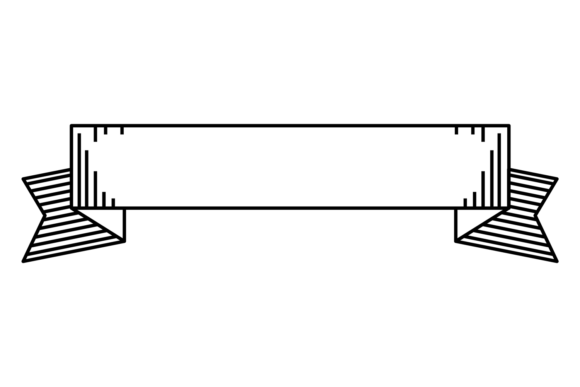
Ribbon Banner in Retro Line Style Decor
The Ribbon Banner in Retro Line Style is a versatile and nostalgic design element that has made a strong comeback in modern visual communication. This style combines the simplicity of line art with the charm of retro aesthetics, offering a clean yet distinctive look. Whether you're enhancing your website, designing marketing materials, or sprucing up your home decor, this banner format can add a touch of vintage flair without overwhelming the viewer. Its adaptability across formats like EPS, JPG, SVG, and transparent PNG makes it a favorite among designers, marketers, and hobbyists alike.
What Is a Ribbon Banner in Retro Line Style?
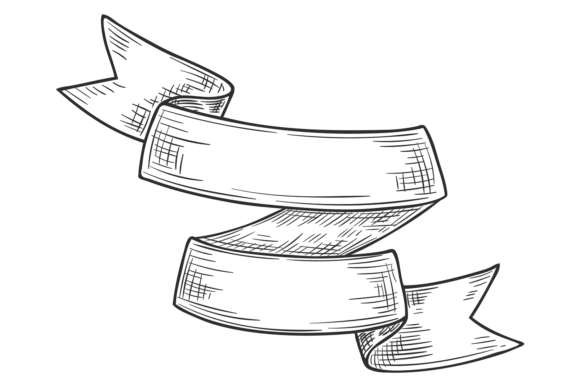
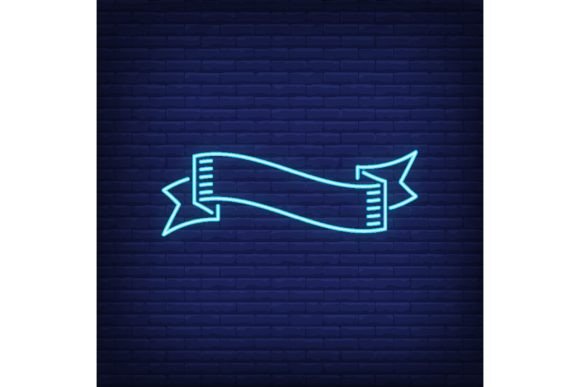
A Ribbon Banner in Retro Line Style is a decorative graphic typically shaped like a ribbon or scroll, featuring bold outlines and minimalistic details inspired by mid-century design. It often includes text, icons, or logos positioned along its length, making it ideal for highlighting key messages or branding elements. The retro aspect usually refers to the use of flat, hand-drawn lines and colors reminiscent of the 1950s–70s era, while the "banner" form allows it to serve as a directional or attention-grabbing component in layouts.
This type of banner is commonly used in print and digital media due to its striking balance between elegance and simplicity. Available in scalable vector formats like SVG and EPS, it ensures high-quality output regardless of size, which is especially important for professional applications such as logos, headers, and promotional materials.
Key Characteristics and Strengths
- Nostalgic Appeal: The retro line style evokes a sense of nostalgia, making it perfect for brands aiming to connect emotionally with audiences who appreciate vintage design.
- Minimalist Design: With its focus on clean lines and subtle shading, the banner avoids clutter, allowing other design elements to shine.
- High Versatility: Suitable for both digital and print platforms, it works well in websites, social media, posters, and packaging.
- Brand Consistency: When used consistently, it helps reinforce brand identity through repeated visual motifs.
- Easy Customization: As a vector-based design, it can be resized, recolored, and modified without losing quality, giving creators full control over the final output.
Practical Applications Across Environments
From personal projects to commercial ventures, the Ribbon Banner in Retro Line Style finds its place in a wide range of contexts. Here’s how different professionals and creatives are using it effectively:
1. Digital Marketing and Web Design
In web design, these banners can serve as header accents, call-to-action buttons, or background elements. For example, an online store selling vintage-inspired products might use a retro line-style ribbon banner at the top of their homepage to immediately establish a thematic tone. The banner could feature a tagline like “Timeless Style” or include product highlights in a visually engaging way.
Marketers also find value in using them for email campaigns. A ribbon banner can draw attention to promotions or special offers, especially when paired with complementary retro fonts and color schemes. Since they’re available in transparent PNG format, they integrate seamlessly into various backgrounds without disrupting the overall design.
2. Branding and Logo Design
Brands looking to differentiate themselves often turn to unique visual elements. A retro line-style ribbon can act as a signature motif within a logo or branding suite. Imagine a boutique coffee shop whose logo incorporates a stylized ribbon banner with a handwritten name and a small illustration of a coffee cup — this instantly creates a warm, inviting atmosphere.
Using EPS or SVG versions of the banner ensures scalability, so whether it's printed on a mug or displayed on a large storefront sign, the design remains crisp and clear. This consistency is crucial for maintaining a professional brand image.
3. Educational Materials and Presentations
Educators and presenters use these banners to highlight key points or sections in slides and handouts. The retro aesthetic adds a touch of creativity without distracting from the content. For instance, a history teacher might incorporate a ribbon banner with a timeline of events in a presentation about the 1960s, reinforcing the theme with period-appropriate visuals.
Because of their readability and clarity, these banners are particularly effective in educational settings where information needs to be quickly absorbed and visually organized.
4. Print and Packaging Design
Graphic designers working on packaging for artisanal goods, such as handmade candles or vintage-themed stationery, often choose retro line-style ribbons to enhance the product’s appeal. These banners can wrap around labels or serve as seals on boxes, adding authenticity and charm.
When creating print materials, using JPG or PNG files ensures compatibility with most printing processes. The retro line style also pairs well with other period designs, such as distressed textures or analog fonts, helping to maintain a cohesive visual language.
5. Social Media and Blogging
Blogs focused on lifestyle, fashion, or interior design frequently utilize these banners to separate sections or introduce new posts. They work especially well in thumbnails or pinned posts, where a quick visual hook is needed to grab attention.
For bloggers, having access to a transparent PNG version of the banner allows them to overlay it on photos or videos without worrying about background interference. The retro feel can help position a blog as stylish, creative, or even whimsical, depending on the intended audience.
Why Choose This Style for Your Projects?
There are several reasons why the Ribbon Banner in Retro Line Style is gaining popularity:
- Stand Out with Simplicity: In a world filled with complex graphics, a minimalist ribbon banner can cut through the noise and make a memorable impression.
- Improve User Experience: By guiding the viewer’s eye and organizing content visually, these banners enhance navigation and comprehension on websites and apps.
- Cost-Effective and Time-Saving: Thanks to their vector nature, they reduce the need for multiple file versions and minimize redesign efforts when scaling up or down.
- Enhance Engagement: The visual interest provided by the retro style can increase user interaction, especially when targeting niche markets or communities with shared interests.
Real-World Examples and Use Cases
Consider a freelance designer who specializes in vintage-themed branding. They might use a retro line-style ribbon banner to showcase their portfolio categories — such as “Logo Design,” “Poster Art,” and “Web Graphics” — on their homepage. Each section could have a slightly different color or icon to represent the variety of services offered, all tied together by the consistent banner style.
Another example is a local bakery launching a seasonal campaign. They could create a retro line-style ribbon banner with a wreath motif and seasonal text like “Welcome Autumn” to promote fall flavors. This banner would be used across social media, packaging, and in-store displays, reinforcing the campaign’s theme and increasing brand recognition.
Choosing the Right File Format
Selecting the appropriate file format is essential for ensuring the best results in any project. Here’s a quick breakdown of each option:
- EPS: Ideal for print and professional design workflows. Editable in Adobe Illustrator and compatible with most design software.
- JPG: Best suited for web use where transparency isn’t necessary. Offers good compression and broad browser support.
- SVG: Perfect for responsive web design and interactive elements. Retains sharpness at any size and supports embedded animations.
- Transparent PNG: Great for overlays and digital assets. Preserves transparency and detail, making it suitable for layered compositions.
Depending on your project's needs, one format may be more beneficial than another. If you're planning to edit the design further, go with EPS or SVG. For quick use in presentations or digital ads, a JPG or PNG will suffice.
Design Tips and Recommendations
To maximize the effectiveness of a Ribbon Banner in Retro Line Style, consider the following tips:
- Balance Color and Contrast: While retro palettes are often muted or earthy, don’t shy away from using bold colors if they align with your brand. Just ensure there's enough contrast for legibility.
- Pair with Complementary Elements: Combine the banner with other retro components like typewriter fonts, film strips, or old-school illustrations for a unified look.
- Use Sparingly: Overuse can dilute the impact. Let the banner stand out by placing it strategically rather than everywhere possible.
- Test Scalability: Before finalizing your design, check how the banner looks at different sizes — especially if it’ll be used in both digital and print forms.
- Stay Consistent: Apply the same styling throughout your project to maintain cohesion and strengthen your brand message.
Observations from Industry Professionals
Many designers report that clients are drawn to the retro line style because it feels fresh yet familiar. One notable observation is that younger audiences (Gen Z and Millennials) often respond positively to the aesthetic, associating it with authenticity and craftsmanship. This makes it an excellent choice for businesses targeting these demographics.
Additionally, educators and entrepreneurs emphasize the usability of these banners in infographics and data visualization. The clean structure of the line art allows for easy integration of charts, timelines, and flowcharts, helping to simplify complex information for viewers.
Final Thoughts on Implementation
Implementing a Ribbon Banner in Retro Line Style doesn't require advanced design skills, but understanding the right context for its use is key. Start by identifying the purpose of the banner — is it for decoration, emphasis, or branding? Once that’s clear, experiment with placement and combinations to see what resonates best with your audience.
Remember to evaluate the banner’s performance in real-world scenarios. If you're using it in digital marketing, track engagement metrics. If it's part of a physical product package, gather customer feedback. Iteration based on actual usage can lead to better design decisions and stronger outcomes.
Ultimately, the Ribbon Banner in Retro Line Style is more than just a design trend — it’s a functional tool that can elevate your work while connecting with your audience on a visual and emotional level. Whether you're a marketer, educator, or hobbyist, integrating this element thoughtfully can add depth and character to your creations.