Spider Watercolor Clipart: A Strategic Tool for Creative and Business Applications
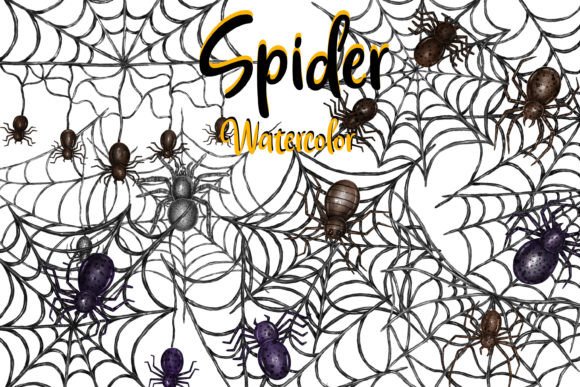
Spider Watercolor Clipart offers a unique blend of artistic charm and professional versatility, making it an ideal asset for designers, marketers, educators, and hobbyists. These high-quality PNG images feature hand-painted spider designs rendered in watercolor style, complete with transparent backgrounds to allow seamless integration into a variety of projects. With resolutions up to 300 DPI and dimensions ranging from 2100-2400 pixels, they are suitable for both digital and print-based applications. Whether you're planning Halloween-themed marketing campaigns, creating educational materials, or designing personalized gifts, Spider Watercolor Clipart provides the visual appeal needed to stand out while maintaining a cohesive and professional look.
Why Spider Watercolor Clipart Is Strategically Useful
Incorporating Spider Watercolor Clipart into your design toolkit isn't just about adding aesthetic value; it's about aligning visuals with strategic intent. The watercolor style brings a soft, artistic touch that can be used to evoke emotion or create a whimsical tone depending on the context. For instance, in branding or product packaging, this clipart can help establish a unique identity that resonates with target audiences. Its transparent background ensures it adapts well to different color schemes and layouts, reducing the need for custom illustration work and saving time during project development.
Supporting Brand Positioning and Communication Goals
For businesses and entrepreneurs, especially those operating in creative industries such as fashion, stationery, or online retail, using Spider Watercolor Clipart can reinforce brand positioning. If your brand is centered around nature, artistry, or seasonal themes like Halloween, these images serve as subtle yet powerful visual cues that enhance recognition and recall. They can also support communication goals by providing consistent imagery across various platforms—social media posts, email newsletters, website banners, and printed collateral.
Consider a small business selling eco-friendly Halloween decorations. By using Spider Watercolor Clipart on their product listings and promotional content, they can differentiate themselves from competitors who rely on more traditional or gaudy graphics. This not only supports their branding but also attracts customers looking for a more refined and original aesthetic.
Boosting Productivity and Creativity in Design Workflows
Designers and creators often juggle multiple projects with tight deadlines. Spider Watercolor Clipart streamlines the process by offering ready-to-use assets that require minimal editing. This means less time spent sourcing or creating new visuals and more time focusing on other critical aspects of the project. Additionally, having a collection of 10 distinct PNG files allows for greater flexibility when brainstorming layout options or experimenting with different themes.
When planning a scrapbook or a children’s art project, for example, these cliparts provide a range of styles and compositions to choose from. Educators can use them in classroom activities to teach students about color blending, symmetry, and storytelling through visuals. Their adaptability makes them a valuable addition to any creative workflow, particularly when working with limited resources or under pressure to deliver results quickly.
Practical Use Cases Across Industries
The strategic application of Spider Watercolor Clipart extends beyond just aesthetics—it contributes to outcomes in multiple areas. Below are some real-world examples where these images have been effectively used:
- Halloween Themed Decorations: From posters to party invitations, the delicate yet thematic spider designs can add a sophisticated twist to seasonal events without being overtly spooky.
- Decorative Cards and Stationery: Wedding invitations, thank-you cards, or greeting cards benefit from the elegant appearance of watercolor spiders, especially when paired with autumnal or nature-inspired motifs.
- Gifts and Stickers: Customized stickers featuring Spider Watercolor Clipart can be sold as part of a themed gift collection or used as promotional items for brands targeting niche markets.
- Digital Prints and Art for Kids: These cliparts are perfect for printable coloring pages or activity books aimed at children, helping to spark creativity and engagement in a safe and appealing way.
- Bag and Mug Patterns: When applied to textiles or ceramics, the transparency and resolution of these PNGs ensure crisp, clear prints that remain visually appealing even after repeated use.
- Handicrafts and DIY Projects: Hobbyists and crafters can integrate these images into embroidery, decoupage, or mixed-media art, allowing for easy customization and personalization.
Planning Tips for Effective Integration
To make the most of Spider Watercolor Clipart, consider the following planning strategies:
- Define Your Objective: Before selecting any image, clarify what you want to achieve. Are you aiming to build brand awareness, drive sales, or engage an audience? This clarity will guide your choice of clipart and its placement.
- Match the Tone: Watercolor illustrations tend to convey a sense of warmth and authenticity. Ensure the clipart complements the overall tone of your message or product. For example, avoid using it in contexts where a bold, industrial look is required.
- Test Different Layouts: Since you have 10 unique PNGs, experiment with how each one interacts with your existing design elements. Some may work better as focal points, while others might serve as background accents or decorative borders.
- Optimize for Platform: Adjust the size and format based on where the clipart will be used. While the 2100-2400 pixel resolution suits high-quality printing, smaller versions may be necessary for web-based content to ensure fast loading times.
- Align with Color Schemes: The transparent background makes it easier to match the clipart with your brand colors. However, always test it against your chosen palette to ensure it doesn’t clash or lose impact.
Strategic Observations: When to Use and What to Avoid
While Spider Watercolor Clipart is versatile, its effectiveness depends on thoughtful implementation. These images work best in projects where the goal is to inspire creativity, foster emotional connection, or communicate a natural or artisanal theme. They are less effective in environments requiring strict realism or where the clipart might compete with other visual elements.
One key consideration is the context of use. For example, using a spider-themed clipart in a healthcare setting could unintentionally cause discomfort or confusion. Similarly, if your audience includes individuals with arachnophobia, the imagery may detract from your intended message rather than support it. Always evaluate the appropriateness of the image within the broader narrative or purpose of your project.
Risks of Using Without Clear Goals
Using Spider Watercolor Clipart randomly can lead to several risks, including:
- Misalignment with Brand Identity: If the clipart doesn’t reflect your brand values or voice, it can confuse your audience or dilute your message.
- Overuse and Visual Fatigue: Excessive use of similar imagery across all channels can reduce its impact and potentially alienate users who find it repetitive or unoriginal.
- Technical Inconsistencies: Failing to adjust the file for specific platforms (e.g., scaling down for mobile) can affect user experience or damage the quality of your output.
- Lack of Relevance: Choosing a spider motif without considering its symbolism or relevance to the project can result in poor engagement or negative reactions.
To mitigate these risks, approach the use of Spider Watercolor Clipart with intention. Ask yourself whether the image adds value, supports your message, and enhances the user experience before incorporating it into your designs.
How to Approach Spider Watercolor Clipart with Purpose
Successful use of Spider Watercolor Clipart begins with understanding its role in the bigger picture. Here are some steps to help you apply it strategically:
- Start with Research: Understand your audience’s preferences and how they perceive the spider motif. Consider cultural connotations and how the imagery might influence their perception of your brand or product.
- Outline Key Touchpoints: Identify where the clipart will appear—website headers, social media posts, packaging, etc.—and determine how it should function in each space (e.g., logo accent, decorative element, story-enhancing graphic).
- Create a Style Guide: Develop guidelines for how the clipart will be used in terms of placement, sizing, color adjustments, and frequency. This ensures consistency and avoids misuse.
- Plan for Scalability: Think ahead about how these images will perform in different formats and resolutions. High-resolution PNGs are excellent for print, but you may need to convert them for web use to maintain performance.
- Measure Impact: After deployment, track how the clipart influences user behavior, engagement, or conversion rates. Use this data to refine future design decisions.
Long-Term Value in Design Projects
Investing in Spider Watercolor Clipart isn’t just a short-term fix—it can yield long-term value when used thoughtfully. These images can become part of your brand’s visual language, appearing consistently across campaigns, products, and customer-facing materials. Over time, this builds familiarity and trust with your audience, which is essential for long-term growth and loyalty.
Moreover, because these PNGs are part of a zip file containing 10 variations, you can rotate them seasonally or use them to create a cohesive visual identity across different product lines. This reduces the need for frequent redesigns and keeps your brand fresh without compromising on quality or cost.
Decision-Making Guidance for Creators and Marketers
When deciding whether to use Spider Watercolor Clipart in your next project, ask yourself the following questions:
- Does the clipart support the message or emotion I want to convey?
- Will it resonate with my target audience or conflict with their expectations?
- Can it be adapted across different platforms and formats without losing quality?
- Is there a long-term use case beyond this single project?
Answering these questions helps ensure that the clipart serves a clear purpose rather than being used merely for decoration. It also prevents unnecessary expenditure of time and resources on visuals that don’t contribute to your overarching strategy.
Integrating Spider Watercolor Clipart into Educational Materials
For educators and publishers, Spider Watercolor Clipart can be a valuable tool in teaching tools and learning aids. When used in science textbooks or nature guides, the images can illustrate spider anatomy or habitats in a visually engaging way. In children's books, they can introduce young readers to the world of insects through colorful and non-threatening depictions.
Here’s how to plan its use in educational settings:
- Use it to break up dense text and aid comprehension.
- Pair it with factual information to create an informative yet visually appealing resource.
- Ensure the scale and detail are appropriate for the age group and subject matter.
Maximizing Operational Efficiency
Freelancers and small business owners can leverage these cliparts to streamline their operations. Instead of commissioning custom artwork for every project, they can draw from a pre-designed library of Spider Watercolor Clipart to meet client needs faster. This is especially useful in service-based industries like graphic design, where clients often request seasonal or thematic updates.
Operational efficiency can also be improved by organizing the 10 PNG files into a categorized folder system. For example, separate them by use case (Halloween, kids’ art, stickers), platform (print vs. digital), or project type (marketing, education, crafts). This organization saves time and ensures the right image is selected for the right purpose.
Final Thoughts on Intentional Use
Spider Watercolor Clipart is a powerful visual tool when used intentionally. Its artistic quality, high resolution, and transparent format make it adaptable to a wide range of applications—from commercial branding to educational content and personal crafts. However, its success hinges on strategic planning, alignment with objectives, and sensitivity to audience perception.
By integrating these cliparts with purpose, professionals can elevate their design work, strengthen their brand presence, and improve operational efficiency—all while maintaining a high standard of visual quality. As with any design asset, the key is to balance creativity with functionality, ensuring that every visual choice contributes to the desired outcome.