Understanding the Islamic Pattern Elements Set: A Practical Guide for Designers
In the realm of design, especially when representing cultural or religious themes, the choice of elements can significantly impact the message and aesthetic appeal. The Islamic Pattern Elements Set is a specialized collection of visual motifs that are deeply rooted in Islamic art traditions. These patterns are not just decorative; they carry historical, spiritual, and artistic significance. When used appropriately, they can enhance the authenticity and elegance of any project that seeks to reflect Islamic culture.
What Is the Islamic Pattern Elements Set?
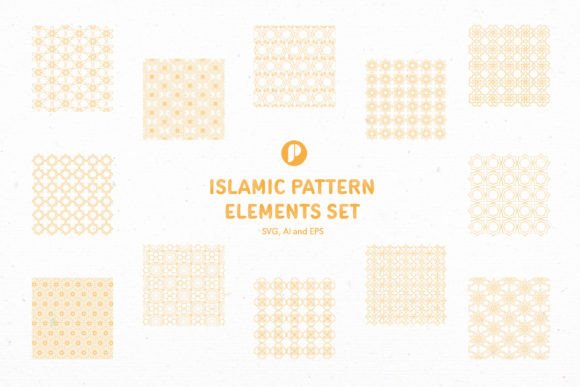
The Islamic Pattern Elements Set is a curated bundle of intricate and symbolic design components inspired by traditional Islamic architecture, manuscripts, and textiles. It typically includes geometric shapes, arabesques, floral motifs, calligraphy outlines, and other culturally relevant visuals. These elements are crafted to be both versatile and respectful, allowing designers to incorporate them into a wide range of projects without compromising on accuracy or sensitivity.
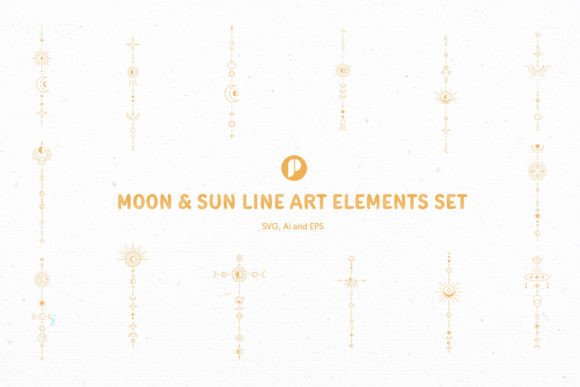
One of the key features of this set is its attention to detail. The patterns often feature delicate lines, symmetrical arrangements, and harmonious compositions that align with the principles of Islamic aesthetics. The golden color palette, commonly seen in many designs within the set, adds an element of sophistication and grandeur, making it ideal for formal or celebratory contexts.
Common Components Included in the Set
- Geometric Patterns: These are based on mathematical precision and symmetry, reflecting the infinite nature of creation in Islamic philosophy.
- Arabesque Motifs: Flowing, plant-like designs that symbolize growth and unity, often used as borders or backgrounds.
- Floral Designs: Inspired by natural forms but stylized to avoid literal representation, these are widely used in Islamic decoration.
- Calligraphy Outlines: Though not including actual text, these elements mimic the structure of Arabic script and provide a framework for integrating calligraphy where appropriate.
- Ornamental Borders: Used to frame content and add a sense of completion and balance to layouts.
How Does It Compare to Other Cultural Design Sets?
When comparing the Islamic Pattern Elements Set to similar resources for other cultures—such as Hindu mandala sets, Chinese ink brush motifs, or African tribal patterns—it becomes clear that each has its own unique characteristics shaped by history and symbolism. The Islamic set stands out due to its emphasis on non-figurative design and its deep connection to religious values.
Unlike some Western design tools that prioritize minimalism or modernist simplicity, Islamic patterns often thrive on complexity and repetition. This makes them particularly suited for projects that require a rich, layered look. However, their intricacy can also pose a challenge for certain applications, such as small-scale icons or minimalist interfaces, where simpler visuals might be more effective.
Another distinction lies in the formats offered. The Islamic Pattern Elements Set comes in three widely-used vector file types: AI (Adobe Illustrator), SVG (Scalable Vector Graphics), and EPS (Encapsulated PostScript). This ensures compatibility across various design platforms and allows for high-quality scaling, which is essential for print and digital use alike.
Strengths of Using the Islamic Pattern Elements Set
- Cultural Authenticity: Designed with respect for Islamic heritage, it helps avoid misrepresentation when creating content related to the religion or culture.
- High-Quality Files: With AI, SVG, and EPS formats available, users can easily edit and scale the elements without loss of quality.
- Versatility: Suitable for background textures, decorative accents, and framing elements in posters, banners, social media graphics, and more.
- Elegant Aesthetic: The refined and ornate style of the patterns complements luxury branding, educational materials, and event promotions.
Best-Fit Situations and Limitations
Designers aiming to create visually engaging materials for events like Eid celebrations, Ramadan greetings, Islamic educational campaigns, or mosque-related announcements will find this set particularly useful. Its elements can help establish a thematic identity that resonates with the target audience and reflects the intended tone.
However, there are limitations to consider. For instance, the Islamic Pattern Elements Set does not include actual text or images of living beings, adhering to the prohibition of depicting humans or animals in Islamic iconography. While this aligns perfectly with religious guidelines, it may restrict creative freedom for those looking to integrate textual or figurative content. In such cases, pairing the pattern set with other Islamic-themed assets—like certified halal fonts or abstract silhouettes—can offer a balanced solution.
When to Choose This Set Over Others
- If your project requires authentic Islamic motifs and you want to ensure cultural respectfulness.
- When working on large-format designs, such as posters or banners, where intricate details can be appreciated.
- For digital content that needs to be scalable and editable, thanks to the availability of vector formats.
- To maintain a consistent theme across multiple design outputs, from flyers to website headers.
Alternatives to Consider
While the Islamic Pattern Elements Set is excellent for many purposes, there are alternative approaches depending on the specific needs of your project. Some options include:
- Custom Illustration: For highly unique or bespoke designs, hiring an illustrator who specializes in Islamic art can yield one-of-a-kind results tailored to your vision.
- Subscription-Based Graphic Libraries: Platforms like Creative Market or Envato offer extensive libraries with diverse styles, though they may not always focus specifically on Islamic aesthetics.
- Open Source Islamic Art Resources: There are community-driven collections of free Islamic patterns available online, which can be suitable for budget-conscious or open-source projects.
- Combination Packs: Some designers prefer using multiple sets together—like combining an Islamic pattern set with a calligraphy font pack—to achieve a comprehensive design toolkit.
Tradeoffs to Be Aware Of
Using the Islamic Pattern Elements Set offers several advantages, but it’s important to weigh them against potential drawbacks:
- Pros:
- Easy to customize with preferred colors or compositions.
- Compatible with most professional design software.
- Helps maintain cultural integrity and relevance.
- Cons:
- May not suit ultra-modern or minimalist design trends.
- Limited to non-representational art, which could restrict creativity in certain contexts.
- Some patterns may be too dense or complex for smaller screens or mobile formats.
Realistic Use Cases and Examples
Let’s explore a few practical scenarios where the Islamic Pattern Elements Set would be a strong fit:
- Social Media Templates: You can use the patterns as overlays or background textures to create visually striking posts for Islamic holidays or community events. For example, a gold-toned arabesque border around an Eid greeting enhances the celebratory feel while staying true to tradition.
- Poster Design: Imagine designing a poster for a Quranic recitation night. Incorporating subtle geometric patterns in the corners or along the edges can lend a sophisticated and sacred ambiance without overshadowing the main message.
- Flyer Layouts: Whether advertising a charity drive or a lecture on Islamic history, using floral motifs as dividers or call-out sections can guide the viewer’s eye through the content in a tasteful manner.
- Event Banners: During Ramadan, businesses or organizations often produce banners to promote iftar gatherings or fundraising activities. The Islamic Pattern Elements Set can be used to create elegant, eye-catching banners that communicate inclusivity and reverence.
On the flip side, if you're designing something like a logo for a modern Islamic fashion brand, you might need a more streamlined approach. In that case, a combination of the Islamic Pattern Elements Set with contemporary design techniques could work best, using only select motifs as accents rather than dominant features.
Decision Factors for Selecting the Right Resource
Choosing the right design resource depends on several factors. Here are a few considerations to keep in mind when deciding whether the Islamic Pattern Elements Set is the best option for your needs:
- Project Type: If your design involves cultural or religious themes, this set is a strong contender. For purely commercial or secular projects, you might explore broader design libraries.
- Technical Needs: Since it supports vector formats, it's ideal for users who require scalability and editing flexibility. If you’re limited to raster-based tools, ensure the files can be converted or adapted effectively.
- Aesthetic Preferences: The ornate style works well for formal or traditional designs. For sleek, modern looks, you might need to blend these patterns with simpler design elements.
- Time Constraints: Ready-made pattern sets save time compared to custom illustration, but they may require some adaptation to fully match your project's requirements.
Comparisons with General Geometric Design Sets
General geometric design sets available online often feature similar elements like triangles, circles, and stars. However, the Islamic Pattern Elements Set goes beyond basic geometry by incorporating the nuanced rules and proportions found in classical Islamic art. This deeper layer of meaning and structure makes it more authentic for projects tied to the Islamic faith, even if the visual similarity exists with other geometric styles.
Additionally, while general sets may allow for greater diversity in color schemes and combinations, the Islamic set often sticks to a restrained and meaningful palette—especially the use of gold—which is historically significant and visually cohesive.
Final Thoughts on Choosing the Islamic Pattern Elements Set
The Islamic Pattern Elements Set is a valuable tool for designers seeking to integrate culturally rich and visually stunning elements into their work. Its distinctiveness lies in its adherence to Islamic artistic principles and the elegance of its composition. However, it’s not a one-size-fits-all solution. The decision to use it should depend on your project’s goals, the platform you're designing for, and the expectations of your audience.
If your objective is to craft a design that honors Islamic traditions and communicates a sense of beauty and spirituality, then this set is worth considering. On the other hand, if your project demands more versatility in imagery or a different stylistic direction, exploring other design tools or combining this set with complementary assets could lead to better outcomes.
Ultimately, understanding the purpose and limitations of the Islamic Pattern Elements Set will help you make a more informed and thoughtful design choice, ensuring that your final product is both visually appealing and contextually appropriate.