Ethnic Indian Ornament: Geometric Fabric and Its Versatile Applications
Ethnic Indian ornament, particularly in the form of geometric fabric, is more than just a decorative element—it's a cultural symbol that adds depth, character, and authenticity to a wide range of creative and commercial projects. This unique design, often featuring intricate patterns inspired by traditional Indian artistry, has found its way into modern contexts such as fashion, interior design, graphic arts, and product packaging. When presented on a clean white background in formats like EPS or JPG, it becomes an ideal resource for designers looking to incorporate this rich heritage into their work with precision and clarity.
What Is Ethnic Indian Ornament: Geometric Fabric?
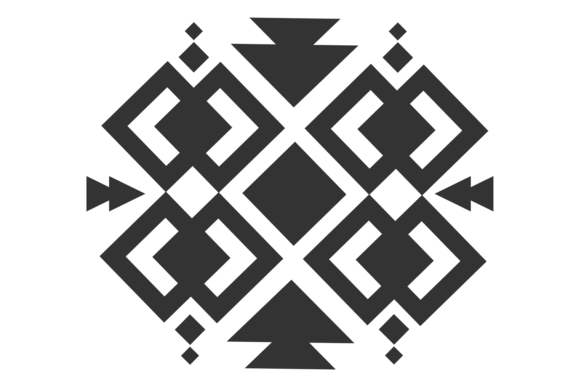
Ethnic Indian ornament refers to decorative motifs rooted in India’s diverse artistic traditions. These designs are commonly derived from ancient symbols, tribal art, temple carvings, and folk patterns passed down through generations. The geometric fabric variant simplifies these ornamental elements using structured shapes, lines, and angles while maintaining the essence of the original craft. This stylized approach makes it easier to integrate into digital platforms, print media, and various design tools without losing its cultural identity.
When you see Ethnic Indian Ornament: Geometric Fabric isolated on a white background, it means the pattern is presented in a high-contrast format, allowing for seamless use in different applications. Available in vector-based EPS files or standard JPG images, this type of ornament can be scaled, printed, or manipulated easily depending on the project requirements.
Real-World Use Cases for Designers and Businesses
The beauty of Ethnic Indian Ornament: Geometric Fabric lies in its adaptability. It can serve as a subtle accent or a bold statement, depending on how it's applied. Here are some practical scenarios where it shines:
- Fashion Industry: Designers often use geometric fabric patterns as overlays on garments, especially in ethnic wear like sarees, lehengas, or fusion outfits. The patterns can be digitally printed onto fabrics or used as part of embroidery templates. Their structured nature allows for easy alignment and repetition, which is crucial when working with textiles.
- Interior Design: Whether adorning curtains, cushions, wall art, or table linens, these ornaments bring a touch of tradition to contemporary spaces. A designer might choose a JPG version of the pattern to create custom wallpaper or a vector EPS file to make scalable prints for furniture upholstery.
- Graphic Design and Branding: Many brands looking to connect with Indian audiences or those interested in South Asian culture use these motifs in logos, packaging, or promotional materials. For example, a wellness brand selling yoga mats or meditation products could feature the geometric fabric design subtly in the background of their branding assets to evoke a sense of peace and tradition.
- Craft and DIY Projects: Artists and hobbyists enjoy using these patterns in handmade greeting cards, scrapbooking, or even as stencils for painting. The clean white background makes it easy to trace or transfer the design onto different surfaces.
- Wedding and Event Decor: In weddings, especially Indo-Western or destination events, geometric fabric patterns are popular in centerpieces, backdrops, and invitations. They offer a fresh twist on traditional motifs, appealing to younger couples who want to honor their roots while embracing modern aesthetics.
Who Can Benefit from Using This Design Element?
Different users find value in Ethnic Indian Ornament: Geometric Fabric based on their needs and creative goals. Here's how various professionals and industries leverage it:
- Graphic Designers: Those working on multicultural campaigns or seeking to add texture and symbolism to their visuals benefit greatly. The vector format (EPS) allows for resizing without quality loss, making it perfect for both web and print media.
- Textile Manufacturers: Incorporating geometric fabric designs into mass-produced items like bed sheets, apparel, or home décor can differentiate their offerings in a competitive market. The patterns can be repeated seamlessly, ensuring consistency across products.
- Event Planners: Creating cohesive themes around cultural celebrations or themed parties becomes easier with ready-to-use geometric fabric elements. They can be used as digital mockups before production or as part of printed materials like programs and signage.
- Web Developers and UI/UX Specialists: Adding subtle geometric fabric textures to websites or apps can enhance visual storytelling. For instance, a travel blog focused on India may use it in headers or backgrounds to create an immersive experience.
- Art Educators and Students: Teaching about cultural motifs or textile history becomes more engaging with high-quality images of geometric fabric. These resources help learners understand the evolution of traditional art into modern design language.
Practical Considerations Before Choosing the Pattern
While Geometric Fabric offers many advantages, there are several factors to keep in mind when selecting and applying it:
- Color Harmony: Since the motif is often presented in black and white, consider how it will look when colored. Some geometric fabric patterns work best in monochrome, while others become more dynamic with added hues.
- Scale and Repetition: Ensure the pattern maintains clarity when scaled up or tiled. Complex designs may lose definition at larger sizes or when repeated too closely.
- Contextual Relevance: Use the pattern appropriately. While it's visually appealing, misusing it—like in a context that doesn't respect its origins—can lead to unintended cultural insensitivity.
- Format Compatibility: If you're planning to print, go for the EPS file to maintain sharp edges. For online use, a high-resolution JPG is usually sufficient and ensures quick loading times.
- Legal Usage: Always verify the licensing terms for the specific Ethnic Indian Ornament image you're using. Royalty-free does not always mean free for all uses—especially commercial ones.
Strengths of the Design
The main strengths of Ethnic Indian Ornament: Geometric Fabric include its ability to bridge cultural heritage with modern design trends. Its structured geometry makes it versatile for both abstract and realistic applications. Additionally, because the design is often available in multiple resolutions and file types, it supports a wide range of uses—from small-scale illustrations to large-format printing.
Potential Limitations
Despite its appeal, there are a few limitations to consider. First, not all geometric fabric patterns may be suitable for every design style. Some may clash with minimalist or ultra-modern aesthetics. Second, if overused, the design can feel cluttered or overwhelming, especially in smaller spaces or simpler layouts. Lastly, the cultural significance of these motifs requires careful handling to avoid stereotyping or appropriation.
How to Integrate It into Your Work
Here are some real-world examples of how you can creatively apply Geometric Fabric in your projects:
- Product Packaging: A skincare brand launching a line inspired by Ayurveda might use the geometric fabric pattern on box wraps or labels to reflect the natural and traditional roots of the product.
- Wall Art and Posters: Print shops and boutique galleries frequently use isolated geometric fabric patterns in posters celebrating Indian festivals or cultural milestones. The white background makes it easy to pair with other elements like text or photographs.
- Home Décor: Throw pillows or table runners with these patterns can instantly elevate a room’s aesthetic. Because the design is clean and repeatable, it's great for creating coordinated sets.
- Apparel Embroidery: Fashion houses use EPS files of geometric fabric patterns to digitize embroidery for blouses, jackets, or accessories. This allows for precise stitching and replication of the traditional look in a modern garment.
- Stationery and Invitations: Wedding planners and stationery designers love using these patterns in envelope liners, thank-you cards, and invitation backgrounds. The geometric layout helps maintain a balance between elegance and visual interest.
Where to Find Quality Resources
To get started, you can search for Ethnic Indian Ornament: Geometric Fabric on reputable stock image and vector sites like Shutterstock, Adobe Stock, or iStock. Look for keywords such as “Indian geometric fabric,” “traditional ethnic design,” or “ornamental textile pattern.” Filters like "white background" and "vector" can help you narrow down the most usable options.
When downloading, check the resolution for JPG files—ideally 300 DPI or higher for print—and ensure the EPS files are editable in your preferred software like Adobe Illustrator or CorelDRAW. Reading user reviews and ratings can also give insight into the usability and clarity of the design.
Design Tips for Maximum Impact
Whether you’re working on a commercial project or a personal one, here are a few tips to get the most out of Geometric Fabric:
- Use it as a texture overlay in photo editing software like Photoshop to add depth to flat images.
- Pair it with solid colors or gradients to prevent the design from becoming too busy.
- Experiment with different opacities to blend the pattern naturally with other design elements.
- Consider symmetry and spacing when tiling the pattern, especially for backgrounds or repeating elements.
- Layer it with typography to create culturally inspired posters or announcements.
A Word About Cultural Sensitivity
As with any ethnic design, it's important to approach Ethnic Indian Ornament: Geometric Fabric with respect and awareness. These patterns carry centuries of meaning and should be used thoughtfully. Engaging with authentic sources, understanding the symbolism behind the motifs, and avoiding caricatured representations are all steps toward responsible usage. Supporting artists or brands that collaborate with local communities can also help preserve the cultural integrity of the design.
Final Thoughts on Application and Inspiration
From branding to fashion, and from digital illustrations to physical décor, Geometric Fabric with ethnic Indian ornamentation continues to inspire creativity. Its timeless appeal, combined with modern adaptability, makes it a valuable asset for professionals and enthusiasts alike. As long as it's used with care and consideration, this design can enrich your work with layers of meaning and visual intrigue.