Ornament Vector: A Versatile Design Element for Creative Projects
In the world of graphic design, finding the right visual elements can make all the difference. One such element that has gained popularity among designers and crafters alike is the ornament vector. These digital illustrations offer a unique blend of detail, flexibility, and scalability, making them ideal for a wide range of applications—from print materials to digital content creation. Whether you're working on an elegant invitation or a bold business card, understanding how ornament vectors fit into your creative workflow can help you choose more effectively and elevate your designs.
What Is an Ornament Vector?
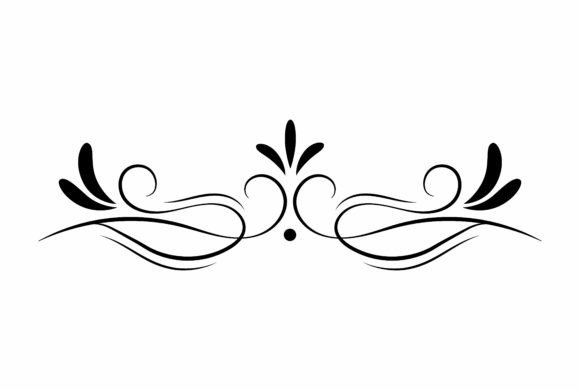
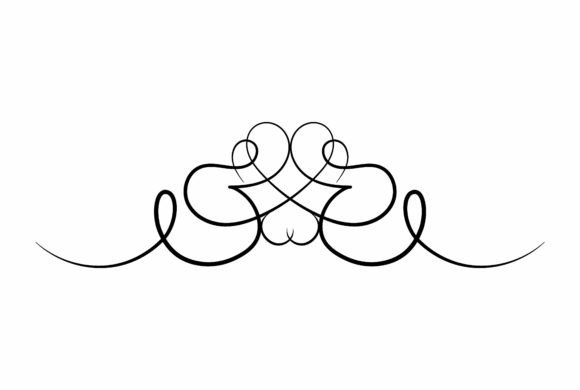
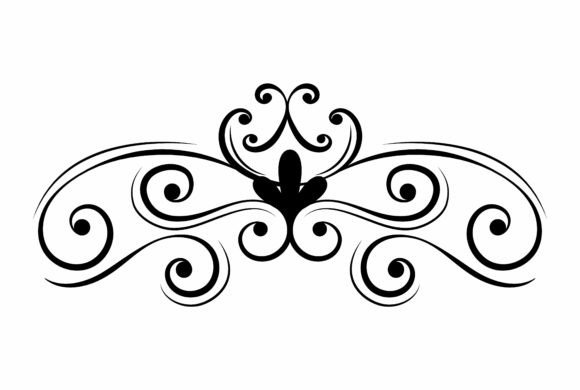
An ornament vector is a digital illustration created using mathematical points and paths instead of pixels. This means it can be scaled to any size without losing quality, which is particularly important for high-resolution printing and detailed artwork. Unlike raster images (such as JPEGs or PNGs), vectors maintain crisp edges and clarity even when enlarged, making them a preferred choice for professional-grade design work.
These vectors often feature intricate patterns, symmetrical shapes, and decorative motifs—especially those inspired by oriental or filigree styles. The beauty of ornament vectors lies in their ability to add sophistication and visual interest to projects while remaining adaptable to different contexts and formats.
Key Features of Ornament Vectors
- High resolution: With sizes like 4936x3319px at 300 dpi, they are suitable for both screen and print use.
- Multiple file formats: Typically available as PNG, SVG, EPS, JPG, AI, and DXF files, allowing compatibility with various design tools.
- Editable elements: You can modify colors, shapes, and details directly in software like Adobe Illustrator or Photoshop Elements.
- Time-efficient: Ready-to-use templates save hours of manual drawing or editing.
When to Choose an Ornament Vector Over Other Options
Designers have several options when it comes to adding decorative elements to their projects. Choosing between a vector illustration, a stock photo, or a hand-drawn sketch depends largely on the project’s requirements. Here's how an ornament vector compares to these alternatives:
Versus Raster Images
Raster images, such as those in JPEG or PNG format, are composed of pixels and tend to lose quality when resized. While many free clipart sites offer small-sized graphics, an ornament vector ensures that your design remains sharp and clear regardless of its final size. For example, if you're using an oriental filigree drawing as part of a large banner or poster, a vector file will retain its fine details without pixelation.
Versus Hand-Drawn Artwork
If you're not a skilled illustrator, creating complex ornamental designs from scratch can be time-consuming and technically challenging. An ornament vector provides a professionally crafted solution that can be customized easily. You don’t need advanced artistic skills to tweak the design; most vector files come with editable layers, enabling users to personalize the look with minimal effort.
Versus Generic Clipart
Many generic clipart resources lack the level of detail and customization offered by ornament vectors. They’re often low resolution and may not integrate well with other design elements. In contrast, an ornament vector is designed specifically for adaptability and precision, ensuring it complements your layout rather than clashing with it.
Strengths and Limitations of Ornament Vectors
Like any design tool, ornament vectors have their own set of advantages and drawbacks. Understanding these can help you determine whether they’re the best fit for your current needs.
Strengths
- Scalability: Perfect for everything from tiny stickers to expansive banners due to their resolution-independent nature.
- Compatibility: Supports major design software like Photoshop, GIMP, Illustrator, and Cricut, giving you control over how you apply the design.
- Professional Quality: Ideal for print-on-demand services or businesses looking to create a polished, cohesive brand identity.
- Customization: Offers full access to individual components, so you can adjust line weights, colors, and shapes to match your theme.
Limitations
- Learning Curve: While vectors are user-friendly, beginners might need some time to learn how to edit them efficiently in design software.
- Software Requirements: To fully utilize features like layering and color adjustment, you’ll likely need a capable design application such as Adobe Illustrator or Photoshop Elements.
- Limited Contextual Use: Ornament vectors may not be appropriate for minimalist or modern design aesthetics where too much detail could overwhelm the layout.
Best-Fit Situations for Using an Ornament Vector
Knowing when to incorporate an ornament vector into your design can enhance your overall outcome. These graphics are especially useful in the following scenarios:
- Invitation Cards: Oriental-inspired vectors bring elegance and tradition to wedding invitations, birthday cards, and event announcements.
- Book Covers and Blogs: Abstract ornament vectors serve as eye-catching headers or background textures that reflect a designer’s aesthetic or the book’s genre.
- Cricut Projects: If you're using a Cricut machine to cut out paper designs, an ornament vector provides clean lines and precise shapes that work seamlessly with the tool.
- Print-on-Demand: High-resolution vector files ensure that printed products like mugs, T-shirts, or calendars look sharp and professional.
- Business Branding: From logos to brochures, vectors allow consistent branding across multiple platforms and sizes.
Realistic Examples of Ornament Vector Usage
To illustrate the versatility of an ornament vector, consider the following practical examples:
- Scrapbooking: A filigree border vector can frame photos or journal entries, adding a touch of artistry without overshadowing the content.
- Greeting Cards: By combining a black ornament clipart illustration with a handwritten message, you can create personalized holiday cards or thank-you notes.
- Websites and Social Media: Abstract ornament graphics can subtly enhance website headers, blog posts, or Instagram stories with a refined, thematic flair.
- Stickers and Labels: Clear PNG files from an ornament vector collection make it easy to produce transparent stickers that stand out on any surface.
Alternatives to Consider
While an ornament vector is a strong option for many design purposes, there are times when another approach might be more suitable. Let’s explore a few alternatives and when they might be preferable:
Flat Design Illustrations
For modern, minimalistic projects, flat design illustrations can be a better choice. These are simple, two-dimensional graphics that emphasize usability over complexity. If your design requires a contemporary look with limited color schemes, a flat-style vector may suit your needs more than an ornate one.
Photo-Based Decorative Elements
Photographs of real-world objects, like vintage trinkets or carved wooden ornaments, can provide a tactile, realistic feel. However, they’re less flexible for scaling and editing compared to vectors. If your goal is authenticity rather than adaptability, a photo-based element could be the way to go.
SVG Background Generators
Online tools that generate SVG backgrounds or borders can be quick solutions for casual projects. While convenient, these tools may not offer the same level of detail or customization as a professionally crafted ornament vector. They also risk appearing generic or overused, especially if you're aiming for a unique design.
How to Make the Right Choice
Selecting the right design resource depends on your specific needs, technical capabilities, and the intended use of the final product. When considering an ornament vector, ask yourself the following questions:
- Do I need a scalable, high-quality image for print or digital media?
- Will this design be used repeatedly across different formats or only once?
- Am I comfortable using design software like Illustrator or Photoshop?
- Is the style of the ornament compatible with my project’s overall theme?
If you’re frequently designing for print, digital marketing, or DIY crafts, investing in a reliable ornament vector library can streamline your process and improve consistency. On the other hand, if you're working on a one-time project with tight deadlines and no specialized tools, a simpler alternative might be more efficient.
Where to Find Ornament Vectors and How to Use Them
Many online shops and marketplaces offer curated collections of ornament vectors, including oriental, abstract, and calligraphic styles. Look for packages that include multiple file types (like PNG, SVG, EPS, AI, and DXF) to maximize compatibility with your preferred tools.
Once you’ve acquired a ZIP folder containing the digital files, you can import them into your chosen software. For instance, using a black ornament clipart illustration in Illustrator allows you to re-color the design or combine it with text for a custom greeting card. Similarly, integrating an abstract ornament into a Photoshop layout can add depth and texture to a webpage header or social media post.
Remember to evaluate the licensing terms before using any ornament vector commercially. Some files are royalty-free, while others require attribution or payment per use.
Final Thoughts
The ornament vector is a powerful asset in the designer’s toolkit, offering a balance of detail, quality, and adaptability. It stands out for its ability to scale effortlessly and integrate into a variety of mediums, from digital art to physical prints. Whether you're crafting a unique invitation or enhancing a blog post, these vectors can add a touch of elegance and professionalism.
However, it’s essential to weigh the strengths and limitations of vectors against your specific needs. If you value speed and simplicity, a stock photo or flat design might suffice. But for those who demand precision and longevity in their visuals, an ornament vector is an excellent investment. Visit our shop to explore more decorative art and find the perfect illustration for your next project.