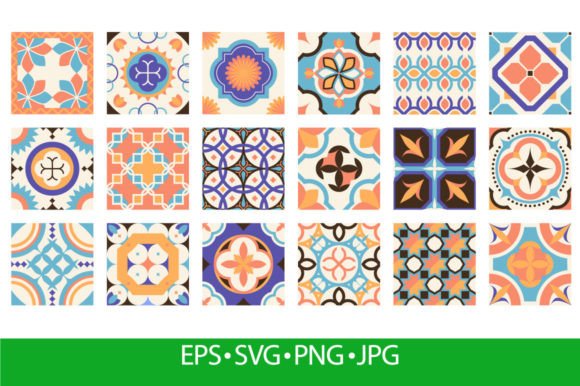
Lisbon Tile Pattern
The Lisbon tile pattern, also known as azulejos, is a rich and storied design tradition that originates from Portugal. These ornate ceramic tiles have been used for centuries to decorate both interior and exterior walls of buildings in Lisbon and throughout the Iberian Peninsula. Their intricate motifs, often inspired by Mediterranean art and culture, reflect a blend of Portuguese, Spanish, and Moroccan influences. Today, they remain a popular choice for designers, artists, and homeowners who seek to infuse their spaces or projects with timeless charm and historical depth.
What Makes the Lisbon Tile Pattern Unique?
At first glance, the Lisbon tile pattern may seem like just another decorative element—but it carries a legacy of craftsmanship and cultural exchange. The word azulejo comes from the Arabic "azzulayya," meaning little polished stone, which highlights the deep roots of this art form in Moorish Spain. Over time, these tiles evolved into vibrant, detailed mosaics using glazed ceramics, becoming a hallmark of Portuguese architecture.
Traditional azulejos often feature geometric shapes, floral patterns, and even narrative scenes painted in vivid colors. The most common format is the square tile, but variations exist, including hexagonal and octagonal designs. Each tile contributes to a larger visual story when arranged together, creating a seamless yet dynamic composition.
Applications Across Creative Fields
The beauty and versatility of the Lisbon tile pattern extend far beyond traditional architecture. Designers across multiple disciplines find inspiration in its symmetry, color schemes, and historical resonance. Here are some modern applications:
- Interior Design: Whether in kitchens, bathrooms, or living rooms, the Lisbon tile pattern adds a touch of elegance and warmth. It works especially well in Mediterranean-style homes or those seeking a vintage European aesthetic.
- Graphic Design: The repeating nature of the pattern makes it ideal for digital backgrounds, website headers, and branding elements. A vector set of Spanish and Portuguese pattern illustrations can be downloaded in EPS, SVG, PNG, and JPEG formats, offering flexibility for use on various platforms.
- Fashion and Textile Design: From fabric prints to accessories, the mosaic style of Lisbon tiles has been adapted creatively in fashion, particularly in regions where Mediterranean flair is valued.
- Product Packaging: Small businesses and artisans use these motifs to create unique packaging that stands out in competitive markets. Think gourmet food items, handmade soaps, or luxury candles.
Designing with Vector Sets
A vector set of Spanish and Portuguese pattern illustrations provides an excellent resource for creators looking to integrate the Lisbon tile pattern into digital work. These files—available in EPS, SVG, PNG, and JPEG formats—allow for easy scaling and customization without losing quality. This is especially important for logos, print materials, and large-scale murals where detail and clarity are essential.
When working with such sets, consider adjusting the color palette to match your brand or project. For instance, a minimalist design might benefit from a simplified version in black and white, while a more vibrant approach could incorporate traditional blue and yellow hues. Also, experiment with layering different motifs to create a modern twist on a classic pattern.
Project Ideas Inspired by the Lisbon Tile Pattern
Want to apply the Lisbon tile pattern in innovative ways? Here are some practical project ideas that highlight its adaptability:
- Creative Murals: Use the pattern to create a statement wall in commercial spaces like cafes, boutique hotels, or galleries. Digital printing allows you to replicate the look of hand-painted azulejos at scale.
- Custom Furniture: Incorporate the pattern into backsplash designs, table tops, or cabinet doors. It’s a great way to add character to furniture without overwhelming the space.
- Print-on-Demand Products: Turn the Lisbon tile pattern into printable templates for T-shirts, phone cases, or home décor. Online marketplaces thrive on unique, culturally inspired designs.
- Illustration Series: As an illustrator, you could create a series based on the theme of azulejos, blending traditional elements with contemporary subjects like urban landscapes or abstract art.
- Editorial Design: Bloggers and publishers can use the pattern to frame quotes, section dividers, or page headers. It adds visual interest while maintaining a professional tone.
Adapting the Pattern for Different Audiences
One of the greatest strengths of the Lisbon tile pattern is its ability to be reinterpreted for diverse audiences. Here’s how different professionals can tailor it effectively:
- Marketers: Use the pattern in promotional materials for travel agencies, real estate listings, or artisanal products. Its association with Europe and heritage can evoke nostalgia and authenticity.
- Entrepreneurs: Apply it to product lines that emphasize uniqueness and tradition. For example, a line of ceramic coasters or kitchenware inspired by the pattern can attract design-conscious consumers.
- Bloggers & Content Creators: Feature the pattern in lifestyle posts about home decor, travel to Portugal, or DIY crafts. Pair it with high-quality photography and concise storytelling to engage readers.
- Freelancers: Offer clients custom tile-inspired graphics for websites, social media, or branding projects. Highlight the cultural significance and aesthetic appeal to justify premium pricing.
- Educators: Teach students about the history of design through azulejos. Encourage them to create their own interpretations using digital tools like Adobe Illustrator or free online editors.
Maintaining Clarity and Style
While the Lisbon tile pattern is visually rich, it’s crucial to maintain clarity and cohesion in any project. Overloading a design with too many motifs can lead to clutter and confusion. Instead, focus on a few key elements and build around them. Here are some tips to keep things balanced:
- Use Negative Space: Let the pattern breathe by incorporating empty areas in your layout. This helps guide the viewer's eye and prevents visual fatigue.
- Limit Color Choices: Stick to two or three dominant colors to ensure the design remains harmonious and not chaotic.
- Align with Brand Identity: If using the pattern in marketing or branding, ensure it complements your brand's voice and values. A vintage pattern may not suit a tech startup, but it could be perfect for a heritage-focused business.
- Test Scalability: Before finalizing a design, check how it looks in different sizes. The pattern should retain its visual impact whether printed on a small poster or displayed on a building façade.
Real-World Inspiration
Some of the best examples of the Lisbon tile pattern in action come from the streets of Lisbon itself. The tram stations, churches, and historic buildings showcase how these tiles can transform ordinary structures into extraordinary landmarks. Take inspiration from these real-world applications and think about how you can bring similar energy to your creative work.
For example, a coffee shop owner might use a simplified version of the pattern on their logo and window displays to create a warm, inviting atmosphere. An educator designing a course on global design trends could use the pattern to illustrate the fusion of cultures in art. And a graphic designer might reinterpret it in a modern context for a client’s branding needs.
Where to Find and Use Lisbon Tile Patterns
If you're interested in exploring or using the Lisbon tile pattern, there are several resources available:
- Online Marketplaces: Platforms like Shutterstock, Adobe Stock, and Etsy offer vector sets and ready-made illustrations in various formats.
- Free Resources: Some sites provide free downloads of traditional Portuguese and Spanish tile motifs. Be sure to check licensing terms before using them commercially.
- Local Artisan Shops: In Portugal and Spain, you can find handcrafted azulejos that carry the authentic feel and texture of the originals.
- Digital Tools: Use software like Procreate, Canva, or Figma to customize and apply the pattern to your designs. Many templates include pre-made layers for easy editing.
Design Tips for Modern Use
To make the Lisbon tile pattern feel fresh and relevant in today’s design landscape, consider these strategies:
- Mix Old and New: Combine traditional tile motifs with modern typography or geometric shapes for a contemporary look.
- Scale Strategically: Use larger tiles for bold statements and smaller ones for subtle accents. This creates visual rhythm and interest.
- Layer with Texture: Add depth by placing the pattern over textured backgrounds or combining it with other materials like wood or metal.
- Highlight Cultural Stories: When using the pattern in editorial or branding contexts, connect it to stories about travel, heritage, or craftsmanship to deepen its impact.
Conclusion: A Timeless Source of Creativity
The Lisbon tile pattern is more than just a design trend—it’s a cultural artifact that continues to inspire. Whether you're a designer, marketer, or hobbyist, you can find new ways to apply its motifs and meanings. By understanding its origins and experimenting with modern adaptations, you can create work that feels both original and deeply rooted in tradition.
So next time you're looking for a motif that brings warmth, history, and visual richness to your projects, remember the Lisbon tile pattern. With the right tools and mindset, you can turn this ancient art into something that speaks to today’s audiences in powerful and personal ways.