Modern Calligraphy Artwork: A Versatile Design Element for Creative Projects
Modern calligraphy artwork has become a popular choice among designers, artists, and crafters looking to add elegance and personality to their creative projects. With its fluid strokes, artistic flair, and adaptability across various media, it's no wonder that many turn to this form of decorative writing to enhance everything from invitations to branding materials. Whether you're an entrepreneur designing a logo, a blogger creating a visually appealing header, or a hobbyist working on a scrapbooking layout, modern calligraphy can elevate your work with minimal effort.
What Is Modern Calligraphy Artwork?
Modern calligraphy is a contemporary interpretation of traditional hand lettering. It blends the beauty of classical calligraphy with more relaxed and expressive styles, making it accessible to both beginners and seasoned professionals. Unlike formal scripts such as Copperplate or Spencerian, modern calligraphy often features looser lines, varied spacing, and a more casual aesthetic. This makes it ideal for digital design, print-on-demand products, and even cutting with tools like Cricut.
The appeal of modern calligraphy lies in its versatility. You can stylize it to fit a wide range of themes—from minimalist and modern to ornate and oriental. These characteristics make it a go-to resource for anyone who wants to create unique visual content quickly and effectively.
Common Mistakes When Choosing Calligraphy Artwork
While modern calligraphy artwork offers incredible potential, there are some common pitfalls that users often encounter. One of the biggest mistakes is choosing designs without considering the intended use. For example, selecting an overly intricate filigree pattern might look stunning on a banner but could be too busy for a business card or a small sticker.
Another frequent oversight is neglecting file format compatibility. Not all software supports every type of vector graphic, so using an incompatible file can lead to poor quality outputs or editing difficulties. Additionally, some creators overlook the importance of resolution when printing. Low-resolution images may appear fine on screen but can look blurry or pixelated when printed professionally.
Choosing the Right File Format for Your Project
If you're planning to cut your calligraphy design using a Cricut machine, SVG files are essential. They allow for precise tracing and clean edges. However, if your goal is to print on paper, ensure you have high-resolution PNG or JPG files at 300 dpi or higher. The size mentioned (4936x3319px) is excellent for large-format printing, offering sharp detail and clarity.
For digital editing, formats like AI (Adobe Illustrator), EPS, and DXF are useful, especially when working with professional design software such as Photoshop, Illustrator, or GIMP. Always confirm which file types your preferred tool supports before downloading or purchasing any artwork.
Understanding Design Style and Context
Many people mistakenly assume that one calligraphy style fits all purposes. That’s not the case. An oriental-inspired filigree illustration, for instance, may not suit a modern blog header. Before finalizing a design, ask yourself:
- Does the style match the tone and theme of my project?
- Will it remain legible when scaled down or used in color variations?
- Is it appropriate for the target audience and platform?
Answering these questions helps prevent mismatched visuals that can confuse or alienate viewers. Instead, opt for a design that complements your message while standing out visually.
How to Use Modern Calligraphy Artwork Effectively
Once you’ve selected a suitable calligraphy design, the next challenge is using it correctly. Here are some practical tips to maximize its impact:
- Test the design at different sizes. Before printing or publishing, preview how it looks when resized. Some details may get lost if the image is too small.
- Use layering wisely. When combining calligraphy with other graphics or text, avoid overcrowding the layout. Let the design breathe to maintain visual harmony.
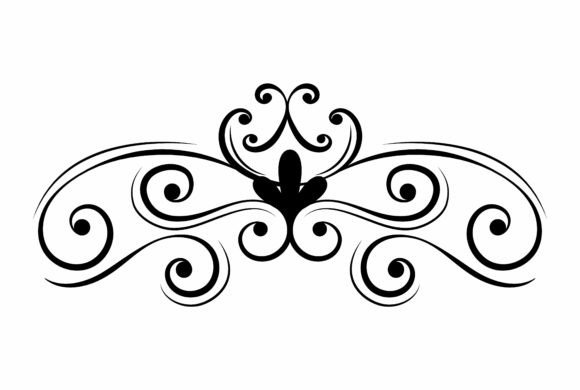
- Consider background contrast. Dark black ornament clipart illustrations will show up best on light-colored backgrounds. Ensure the colors around your design don't clash or dilute its effect.
Real-world applications of modern calligraphy include book covers where elegant script adds sophistication, invitation cards that convey warmth and creativity, and blog headers that capture attention. Each of these uses requires a slightly different approach to ensure the design serves its purpose without overwhelming the content.
Avoiding Overuse and Repetition
One overlooked detail is the tendency to overuse the same calligraphy element across multiple projects. While consistency can be good for branding, relying on a single design may eventually feel stale to your audience. To keep things fresh, explore variations or pair your chosen illustration with complementary patterns or textures found in your shop or elsewhere.
Also, consider the balance between art and function. If you're using the illustration for print-on-demand items, ensure that it doesn’t distract from the main product. Think about how customers will interact with the design—will it be readable? Will it stand out against the item’s surface?
Practical Advice for Downloading and Using Digital Files
When downloading or purchasing modern calligraphy artwork, always check the file contents. Reputable sellers provide ZIP folders containing multiple formats (like PNG, SVG, EPS, JPG, AI, and DXF), giving you flexibility depending on your needs. Make sure each file is clearly labeled and easy to access after unzipping.
Before using the files in any software, verify compatibility. For instance, Adobe Elements might not support EPS files in the same way as full Illustrator does. Similarly, DXF files are better suited for laser cutting or engraving rather than standard print projects. Knowing what each format is designed for saves time and prevents unnecessary rework.
Editing Tips for Non-Designers
If you're new to design software, start with user-friendly options like Canva or Adobe Express, which often accept SVGs and PNGs directly. Avoid trying to edit complex AI or EPS files unless you’re confident in your skills. Many platforms offer free trials or tutorials to help you learn the basics.
When adjusting colors or adding effects, keep it simple. Too much manipulation can distort the original intent of the calligraphy. Stick to subtle changes that enhance the design without compromising its integrity.
Where to Apply Modern Calligraphy Artwork
Here are several areas where modern calligraphy artwork shines, especially when paired with a striking black ornament clipart illustration:
- Book Covers: Add a touch of class by incorporating calligraphic titles or decorative flourishes.
- Invitation Cards: Use oriental-style filigrees to give a personal yet sophisticated appearance.
- Blogs and Websites: Create headers or logos that reflect your brand's personality.
- Greeting Cards: Enhance holiday or birthday cards with artistic script and borders.
- Scrapbooking: Personalize layouts with custom titles or background elements.
- Stickers and Banners: Utilize crisp SVG files for clean cuts and vibrant prints.
- Business Cards: Stand out with a bold yet elegant font paired with subtle design accents.
Incorporating modern calligraphy into these projects allows for a cohesive and stylish presentation that appeals to a broad audience. Just remember to tailor the design to the specific context and purpose.
Preparing for Print or Digital Output
If you plan to print your calligraphy artwork, double-check the dimensions and resolution. At 4936x3319px and 300 dpi, this particular illustration is well-suited for professional printing. But if you're using it online, compressing the file size while maintaining clarity is key for faster load times and smoother user experiences.
Always proofread the final version before sending it to print or publishing it online. Even a minor typo within the calligraphy can detract from the overall professionalism of your project. Tools like Adobe Illustrator or Photoshop allow you to zoom in and inspect every detail before exporting the final file.
Final Thoughts on Selecting and Applying Calligraphy Designs
Modern calligraphy artwork is a powerful tool for enhancing visual communication. However, its effectiveness depends on thoughtful selection and application. By avoiding common mistakes like ignoring file formats, misjudging scale, or overusing a single design, you can ensure that your projects look polished and professional.
Whether you're a marketer aiming to boost your brand's visual identity or a hobbyist experimenting with new creative techniques, taking the time to understand the nuances of calligraphy design pays off. Explore different styles, test them in real-world scenarios, and always prioritize usability alongside aesthetics.
Visit your favorite shops for more decorative art, including abstract and oriental-themed calligraphy. With the right resources and a little guidance, you can transform your ideas into stunning, shareable creations that impress your audience and reflect your unique vision.