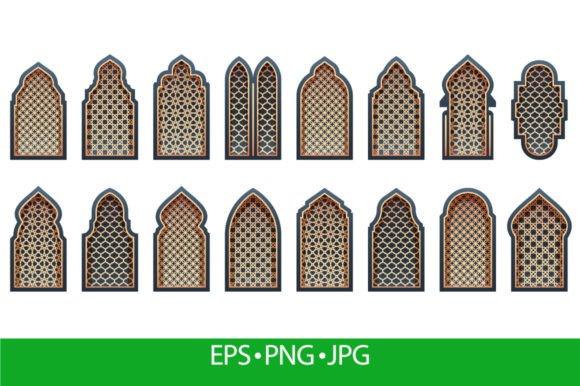
Ornamental Arabic Windows: A Fusion of Tradition and Artistry in Islamic Architecture
Ornamental Arabic windows are a hallmark of traditional Islamic architecture, blending intricate design with functional purpose. These windows serve not only as openings for light and air but also as artistic expressions that reflect the cultural and religious values of the regions where they originated. With their distinctive arch silhouettes and oriental arabesque motifs, these windows have become enduring symbols of Middle Eastern and North African heritage.
The Purpose and Significance of Traditional Islamic Arch Silhouettes
In Islamic architecture, the arch is more than just a structural element—it is a symbol of unity, eternity, and the heavens. The most common types include the horseshoe arch, pointed arch, and the ogee arch, each contributing to the visual identity of the buildings they adorn. Ornamental Arabic windows often feature these traditional Islamic arch designs, which are both structurally sound and aesthetically pleasing.
- Horseshoe Arch: Characterized by its wide curve resembling a horse's hoof, this style is prevalent in early Islamic structures like those found in Al-Andalus (modern-day Spain).
- Pointed Arch: Known for its elegance and ability to support heavy weight, it became popular during the Mamluk and Ottoman periods.
- Ogee Arch: Featuring an S-shaped curve, this arch is commonly seen in Moroccan and Persian architecture, adding a sense of movement and fluidity to window designs.
These arches were chosen not only for their beauty but also for their practical advantages. They allowed for the construction of larger, more open spaces without compromising stability, making them ideal for mosques, palaces, and homes alike.
Decorative Elements: The Oriental Arabesque Motif Pattern
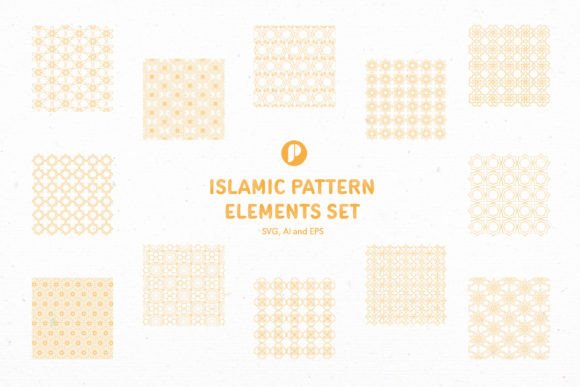
One of the defining characteristics of ornamental Arabic windows is the use of arabesque motif patterns. These are complex geometric and floral designs that create a sense of infinity and harmony—core concepts in Islamic art and philosophy. Unlike representational art, which is often avoided in religious contexts, arabesques rely on abstract forms and symmetry to convey spiritual meaning.
The arabesque motif can be composed of interlacing lines, repeating shapes such as stars and polygons, or flowing botanical elements like vines and leaves. These patterns are carefully arranged to avoid creating a central focal point, emphasizing instead the balance and rhythm that define much of Islamic design.
- Geometric Precision: Each shape and line is mathematically calculated to ensure perfect alignment and repetition.
- Symbolic Meaning: The endless nature of arabesque patterns reflects the infinite nature of God in Islamic theology.
- Cultural Identity: These motifs are unique to the Islamic world and distinguish it from other architectural traditions.
Vintage Decorative Architecture Frames in Ornamental Windows
Traditional ornamental Arabic windows are often framed within elaborate stonework or wood carvings. These vintage decorative frames add depth and dimension to the overall structure, transforming simple openings into stunning works of art. The materials used vary depending on the region and historical period, with examples including carved cedarwood in Lebanon, limestone in Egypt, and glazed tilework in Turkey and Morocco.
These frames do more than enhance the visual appeal—they also serve to protect the window from weathering and damage. In many cases, the frames incorporate additional decorative elements such as calligraphy, muqarnas (stalactite-like ornamentation), or medallions, further enriching the aesthetic value of the window.
How Ornamental Arabic Windows Reflect Cultural and Religious Values
Islamic architecture is deeply rooted in principles that promote modesty, community, and spirituality. Ornamental windows are designed to filter light in a way that prevents direct sunlight from entering the room harshly, maintaining a serene and contemplative atmosphere. This is particularly important in religious buildings such as mosques and madrasas, where the environment must encourage prayer and learning.
Moreover, the intricate patterns of these windows help maintain privacy while still allowing for natural ventilation and illumination. This duality of function and form is a key aspect of their design, reflecting the importance of both aesthetics and utility in Islamic culture.
Vector Illustrations of Islamic Muslim Ornament: Modern Applications
Today, ornamental Arabic windows continue to inspire designers and artists around the world. One of the most versatile tools for preserving and adapting these designs is the use of vector illustrations. Vector-based representations allow for scalable and editable versions of traditional motifs, making them suitable for digital platforms, print media, and architectural blueprints.
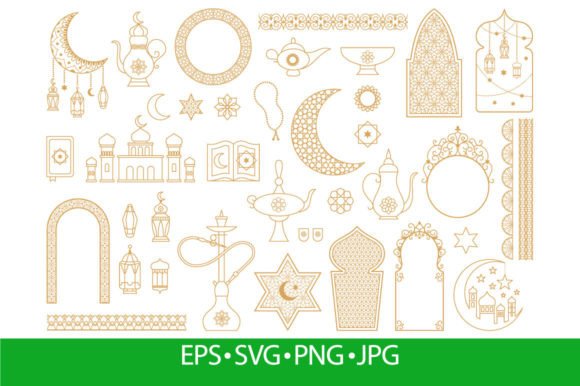
Available in formats such as EPS, PNG, and JPEG, these vector illustrations enable architects, graphic designers, and historians to incorporate authentic Islamic ornamentation into modern projects. Whether used in the restoration of historical buildings or in contemporary interior design, vector files of ornamental windows offer precision and flexibility.
- EPS Format: Ideal for professional design work due to its scalability and editability.
- PNG Format: Best for web use and transparent backgrounds, allowing for seamless integration into digital projects.
- JPEG Format: Suited for high-quality prints and photo-realistic renderings.
Using Vector Islamic Ornament in Creative Projects
Graphic designers and illustrators frequently use vector files of ornamental Arabic windows to create visually rich content. These motifs can be applied to:
- Website headers and backgrounds
- Poster and book covers
- Fashion prints and textiles
- Interior décor and furniture design
By leveraging vector graphics, creators can maintain the integrity of the original designs while adapting them to suit different styles and applications. This has led to a resurgence of interest in traditional Islamic patterns among modern audiences who appreciate their timeless beauty and complexity.
Practical Relevance in Today’s World
While ornamental Arabic windows may seem like relics of the past, they hold significant relevance in today’s architectural and design practices. Many contemporary buildings in the Middle East and beyond incorporate stylized versions of these windows, either as homage to tradition or for their passive cooling and lighting properties.
For instance, the Burj Khalifa in Dubai features Islamic-inspired geometric patterns in some of its internal designs, subtly nodding to the heritage of the region. Similarly, luxury hotels and resorts in places like Marrakech and Istanbul often integrate traditional window frames and motifs to evoke a sense of authenticity and grandeur.
These windows also find their place in educational institutions and museums, where they serve as visual reminders of the sophistication and artistry of Islamic civilization. As part of heritage preservation efforts, accurate reproductions using vector illustration play a vital role in documenting and restoring these architectural treasures.
Common Misconceptions About Ornamental Arabic Windows
Despite their widespread admiration, there are several misconceptions about ornamental Arabic windows that deserve clarification:
- They Are Only for Mosques: While these windows are indeed prominent in religious architecture, they are also found in private homes, public baths, and even markets across the Islamic world.
- They Lack Practical Function: On the contrary, the latticework and positioning of these windows were often designed to optimize airflow and reduce heat, especially in arid climates.
- Arabesque Patterns Are Random: Every line and shape in an arabesque motif is deliberate, often following strict mathematical rules and symbolic meanings.
Understanding these nuances helps foster a deeper appreciation for the craftsmanship and intention behind each ornamental window.
Preserving History Through Digital Formats
The availability of ornamental Arabic window designs in digital formats like EPS, PNG, and JPEG allows for their preservation and global dissemination. Historians and educators use these illustrations to teach about Islamic art and architecture, providing students with accurate and scalable visuals for study and research.
Architects and urban planners also benefit from these resources when designing new buildings or renovating old ones. By using vector-based illustrations, they can easily modify the scale and layout of traditional motifs to fit modern building codes and spatial requirements, ensuring that the spirit of Islamic design remains alive in contemporary structures.
Examples of Ornamental Arabic Window Designs
Some notable examples of ornamental Arabic windows can be found in the following locations:
- Alhambra, Spain: Features intricate latticed windows known as "mashrabiya," which provide privacy and shade.
- Al-Azhar Mosque, Cairo: Includes elegant wooden screens with geometric and floral motifs.
- Topkapi Palace, Istanbul: Showcases a blend of Ottoman and earlier Islamic influences in its window designs.
- Souks of Fez, Morocco: Many shopfronts display ornate stone or wood windows that reflect centuries-old craftsmanship.
These examples illustrate how ornamental windows have been adapted across cultures and time periods, yet remain faithful to their core principles of beauty, symbolism, and function.
Conclusion
Ornamental Arabic windows are more than just architectural features; they are embodiments of history, culture, and artistry. From the graceful curves of Islamic arches to the mesmerizing patterns of arabesque motifs, every element contributes to a design language that speaks across generations. Whether viewed in their original form or through digital illustrations, these windows continue to captivate and inspire.
As we move forward in a rapidly changing world, the relevance of ornamental Arabic windows remains strong—not only in their physical presence but also in the creative industries that draw upon their legacy. For anyone interested in architecture, design, or cultural heritage, understanding the significance and beauty of these windows offers valuable insight into the rich tapestry of Islamic art.