Victorian Calligraphy Artwork: A Timeless Design Choice for Modern Creations
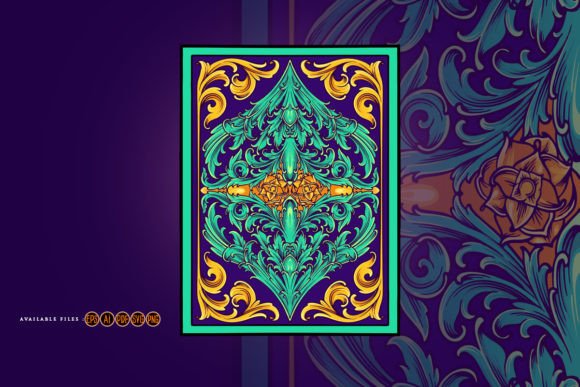
Victorian calligraphy artwork refers to stylized lettering and ornamental designs inspired by the elaborate aesthetics of the Victorian era. Known for its intricate details, flowing lines, and decorative flourishes, this form of calligraphy was popular in the 19th century across Europe and North America. Today, it remains a sought-after design element in both digital and print media due to its classic appeal and versatility.
For designers, artists, and crafters looking to add an elegant touch to their projects, Victorian calligraphy artwork can serve as a powerful visual tool. Whether you're working on book covers, invitations, or scrapbooking layouts, these designs bring a sense of sophistication and historical charm that is hard to replicate with modern typography alone.
Why Victorian Calligraphy Artwork Appeals to Designers
The allure of Victorian calligraphy lies in its unique combination of artistry and symbolism. This style often incorporates floral motifs, acanthus leaves, and other organic elements that complement the script. These characteristics make it ideal for projects requiring a high level of detail and a vintage feel.
Many creators are drawn to Victorian calligraphy because it offers a distinct alternative to minimalist or contemporary styles. It’s particularly popular in niche markets such as luxury branding, wedding invitations, and heritage-themed products. The complexity of the design allows for customization, making it adaptable to various themes and color schemes.
Benefits of Using Victorian Calligraphy Artwork
- Elegant and refined look: The ornate nature of Victorian calligraphy adds a touch of class to any project.
- High-quality file formats: Files such as PNG, SVG, EPS, JPG, AI, and DXF ensure compatibility across different platforms and printing needs.
- Wide range of applications: From digital illustrations to physical crafts like cricut cutting, this artwork is highly versatile.
- Historical authenticity: Ideal for projects aiming to evoke nostalgia or reflect a specific time period.
- Professional-grade resolution: At 4936x3319px and 300 dpi, the artwork is optimized for crisp printing and high-definition displays.
Considerations and Tradeoffs
While Victorian calligraphy artwork has many strengths, it may not be suitable for all types of projects. Its complex design can sometimes overwhelm simpler compositions or clash with modern minimalism. Additionally, integrating such detailed graphics into a layout requires careful planning to maintain readability and visual balance.
Another consideration is the learning curve associated with manipulating these designs effectively. If you’re unfamiliar with vector-based tools like Adobe Illustrator or Photoshop, achieving the best results might take some practice. However, most software packages offer tutorials and guides to help users get started.
When Victorian Calligraphy Artwork is a Strong Fit
This type of artwork shines in scenarios where elegance and historical flair are key. For example:
- Invitation cards: Whether for weddings or formal events, Victorian calligraphy brings a timeless quality that stands out.
- Book covers and branding: Publishers and entrepreneurs targeting a classic audience often use this style to enhance visual storytelling.
- Print-on-demand products: Merchandise such as mugs, t-shirts, and greeting cards benefit from the uniqueness of handcrafted-looking designs.
- Scrapbooking and DIY crafts: The intricate patterns work well in personal projects where attention to detail matters.
- Website and blog headers: Adding a touch of Victorian calligraphy can differentiate your site and attract a more traditional or artistic demographic.
If you're using a Cricut machine for paper crafts or vinyl cuts, the availability of scalable vector files (SVG) ensures precision and adaptability. The same applies if you're designing in Photoshop or Illustrator — the high-resolution JPEG and AI files allow for seamless integration without loss of quality.
When Alternatives Might Be Worth Considering
Though Victorian calligraphy artwork is visually striking, it's not always the best choice. Consider alternatives when:
- Your brand or project leans toward modern simplicity: Clean, sans-serif fonts or minimalist illustrations may better align with your message.
- You need a design that works at small sizes: The fine details in Victorian calligraphy can become illegible when scaled down, unlike bolder or more geometric styles.
- Speed and efficiency are priorities: Creating or editing such intricate designs takes more time and effort compared to standard templates.
- Accessibility is important: Highly stylized scripts may pose challenges for screen readers or people with visual impairments, especially in text-heavy content.
In these cases, exploring other illustration styles or font families could lead to a more effective outcome. That said, many designers blend Victorian calligraphy with simpler elements to strike a balance between tradition and clarity.
How to Choose the Right File Format for Your Project
One of the advantages of purchasing Victorian calligraphy artwork from a reputable shop is the variety of file formats included. Here’s a quick guide to choosing the right one based on your needs:
- PNG: Best for digital use where transparency is needed, such as overlays or web graphics.
- SVG: Perfect for Cricut and other cutting machines, allowing for precise scaling and clean edges.
- EPS: Preferred for professional printing and editable vector work in design software.
- JPG: Suitable for basic print jobs or online images where transparency isn't required.
- Ai (Adobe Illustrator): Offers full editability for advanced users who want to modify the artwork extensively.
- DXF: Useful for laser cutting or CAD software applications.
Each format serves a specific purpose, so selecting the appropriate one depends on your workflow and final output medium. Most shops provide ZIP folders containing multiple formats, giving you flexibility depending on your platform or printer requirements.
Practical Tips for Integrating Victorian Calligraphy Artwork
To ensure your design project benefits from Victorian calligraphy artwork, consider the following insights:
- Use it sparingly: Too much ornamentation can distract from the main message. Apply it as an accent rather than a dominant feature.
- Pair it with complementary fonts: Balance the ornate script with a more readable typeface for headings or body text.
- Test it in context: Before finalizing, preview the artwork on mockups of your intended product to see how it looks in real-world conditions.
- Respect cultural and historical nuances: Victorian design carries connotations of a particular era; ensure it fits thematically with your overall project.
- Optimize for accessibility: When used in text, provide alternate readable versions to cater to all audiences.
By thoughtfully incorporating Victorian calligraphy artwork, you can elevate your creative projects while maintaining functionality and aesthetic harmony.
Final Thoughts on Victorian Calligraphy Artwork
Victorian calligraphy artwork is more than just a nostalgic throwback — it's a design asset that continues to inspire and impress. With the right approach, it can enhance everything from business cards to large-format banners. However, success comes down to understanding when and how to apply it effectively.
If you're currently evaluating whether this style suits your next project, ask yourself: does it align with the tone and target audience? Will it stand out in the right way? And do I have the tools and skills to work with it efficiently?
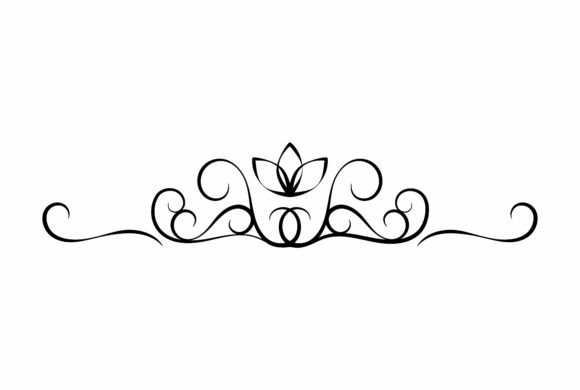
For those seeking a black ornament clipart illustration, this filigree drawing offers a compelling option. Its abstract yet structured form makes it suitable for a wide array of uses, including stickers, blogs, and invitation cards. As with any design element, the key is to match it with your goals and creative vision.
Visit our shop to explore more decorative art options and find the perfect fit for your needs.